Foundation models transformed the way AI systems are built. Instead of developing a separate model for every task, organizations can train one large model and adapt it to multiple applications. This approach has already reshaped text and image processing. BaseModel applies the same concept to behavioral data: train one foundation, adapt it to many business tasks.
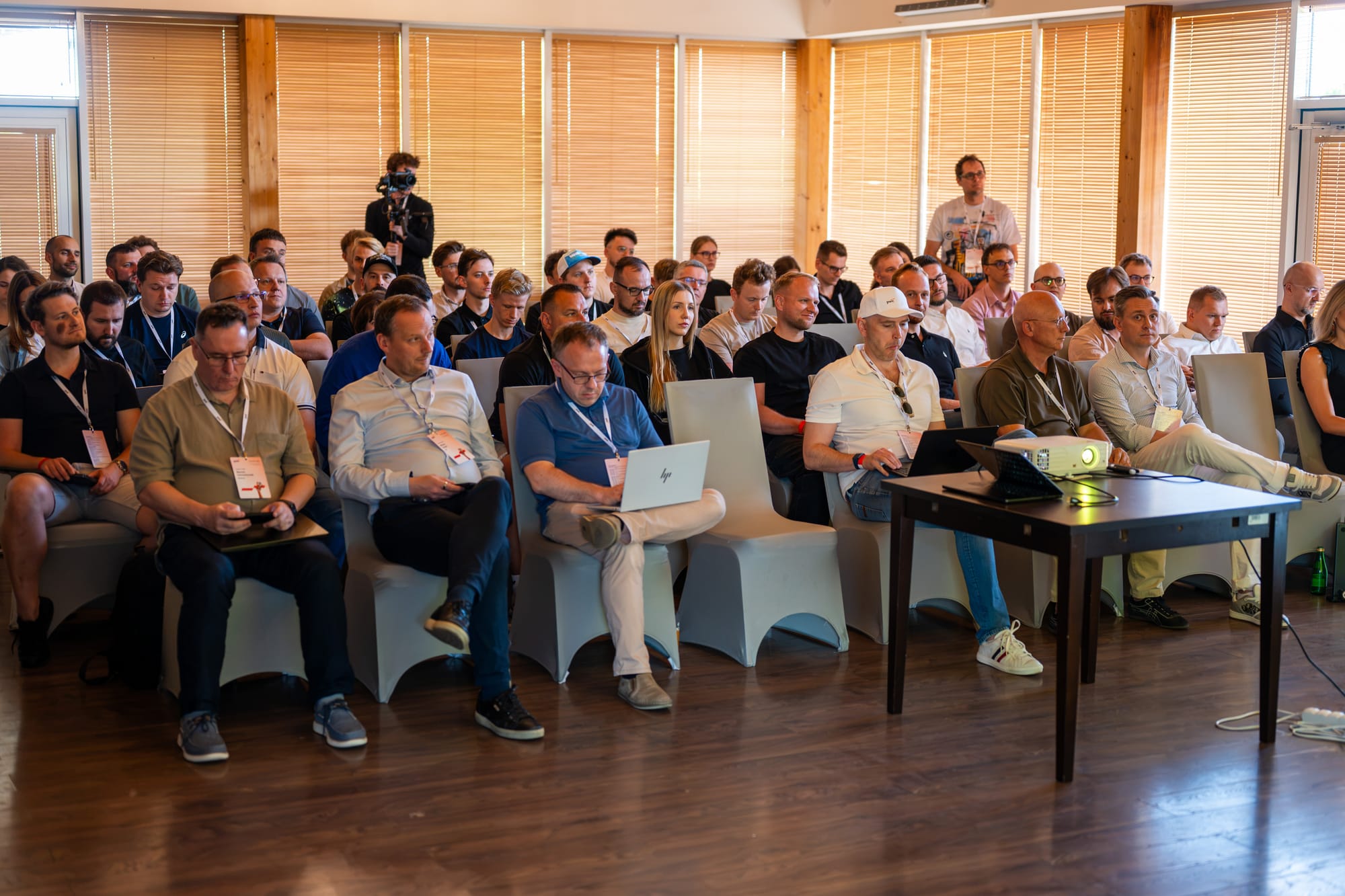
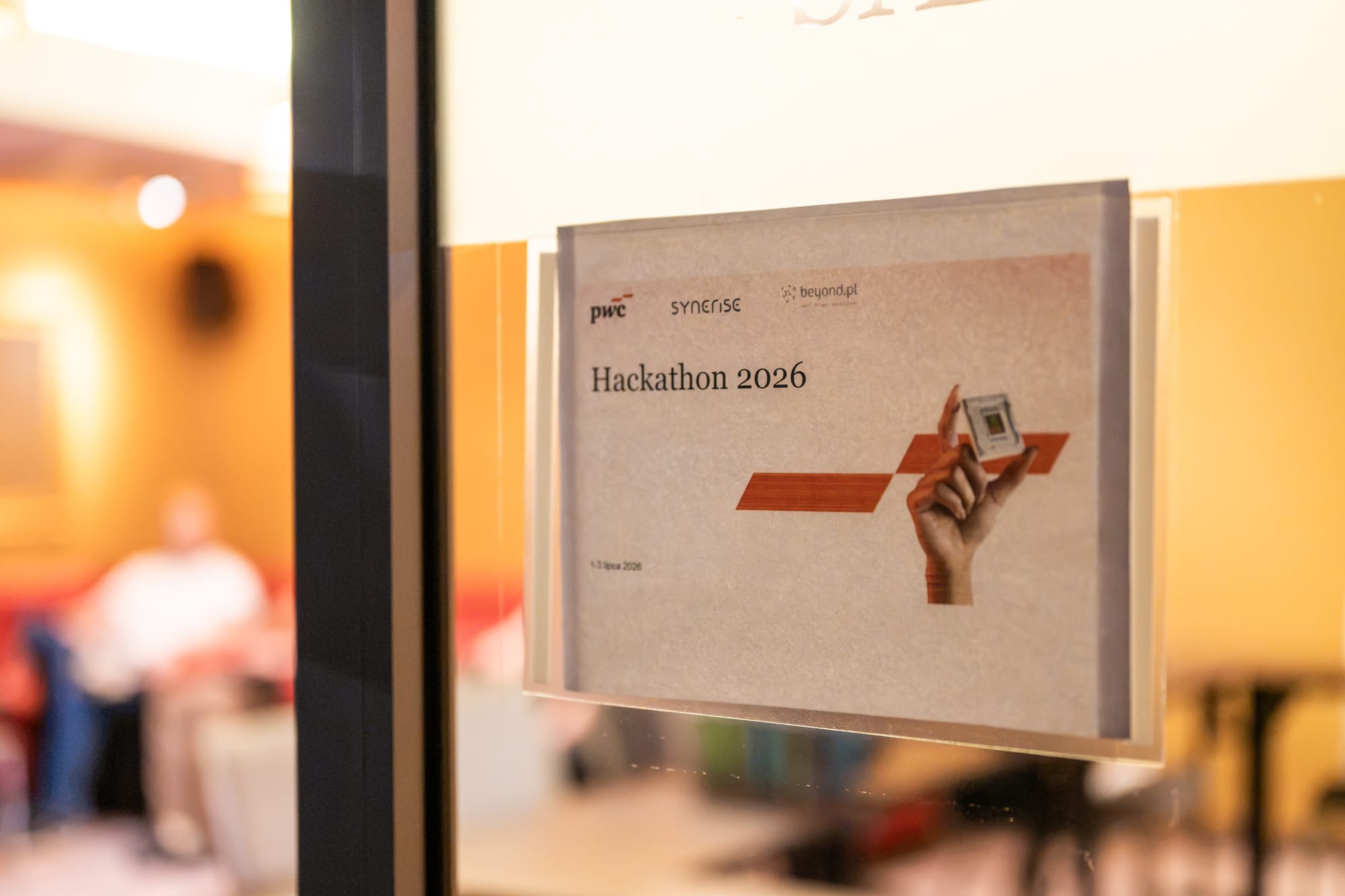
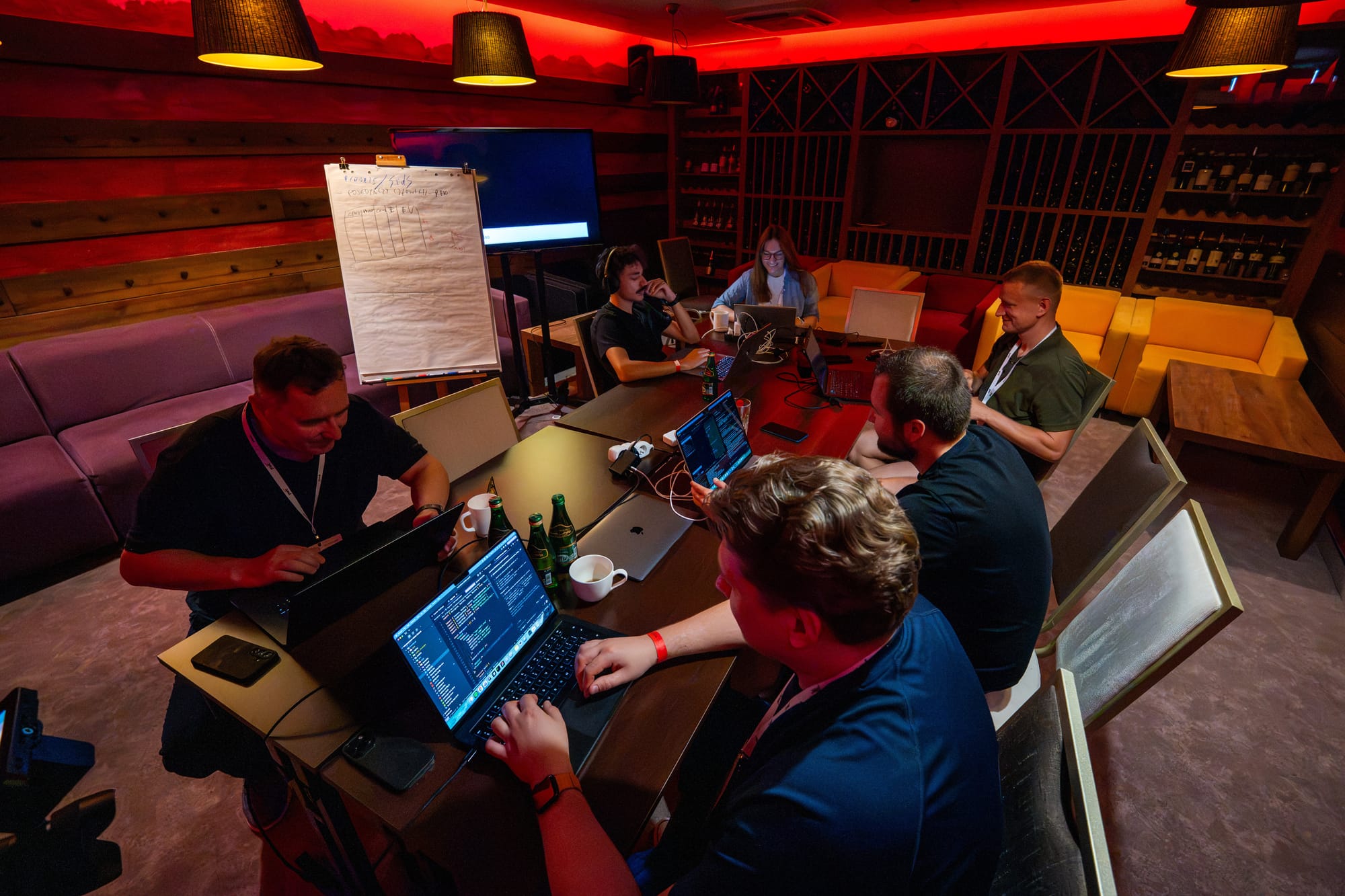
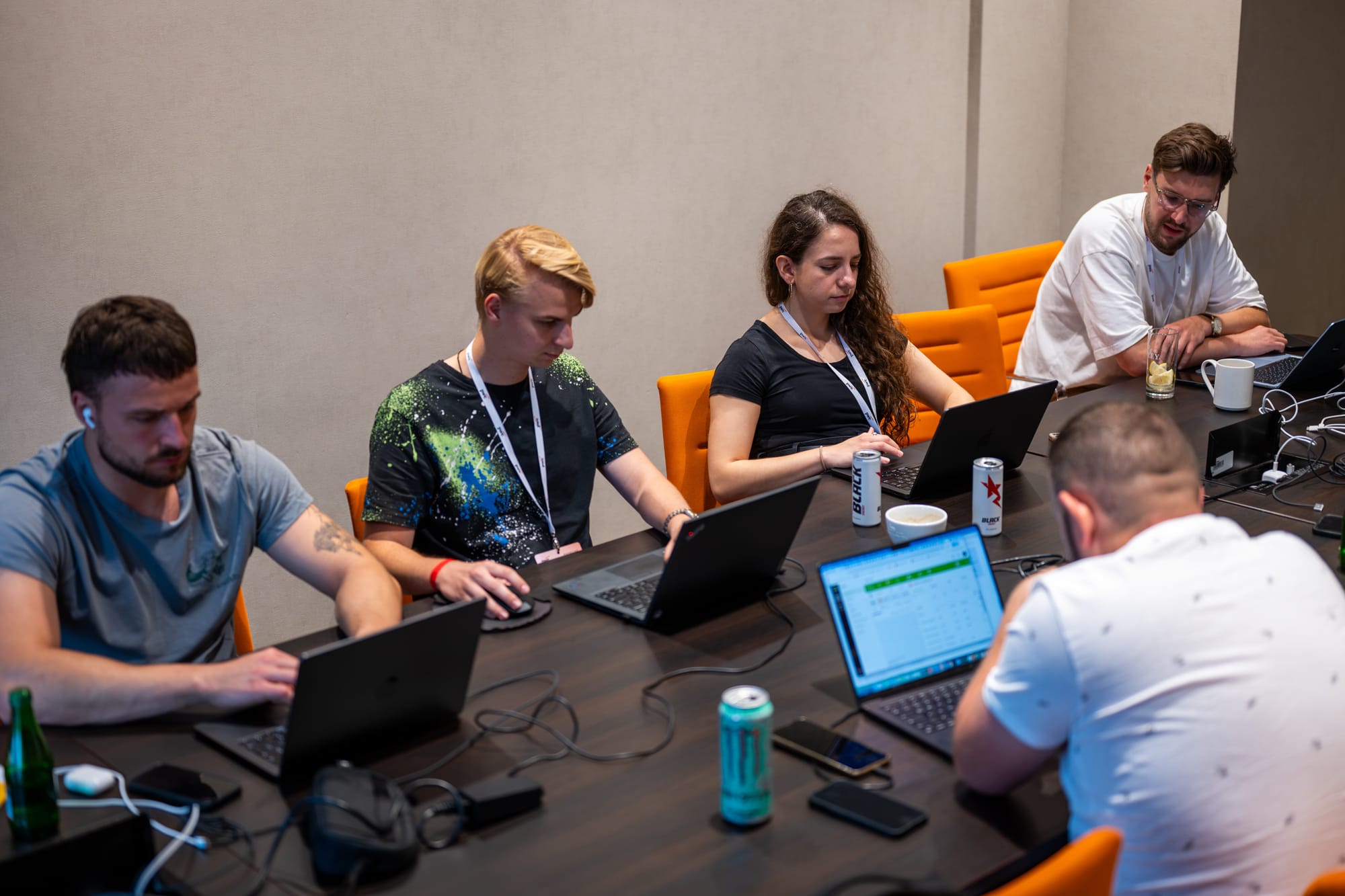
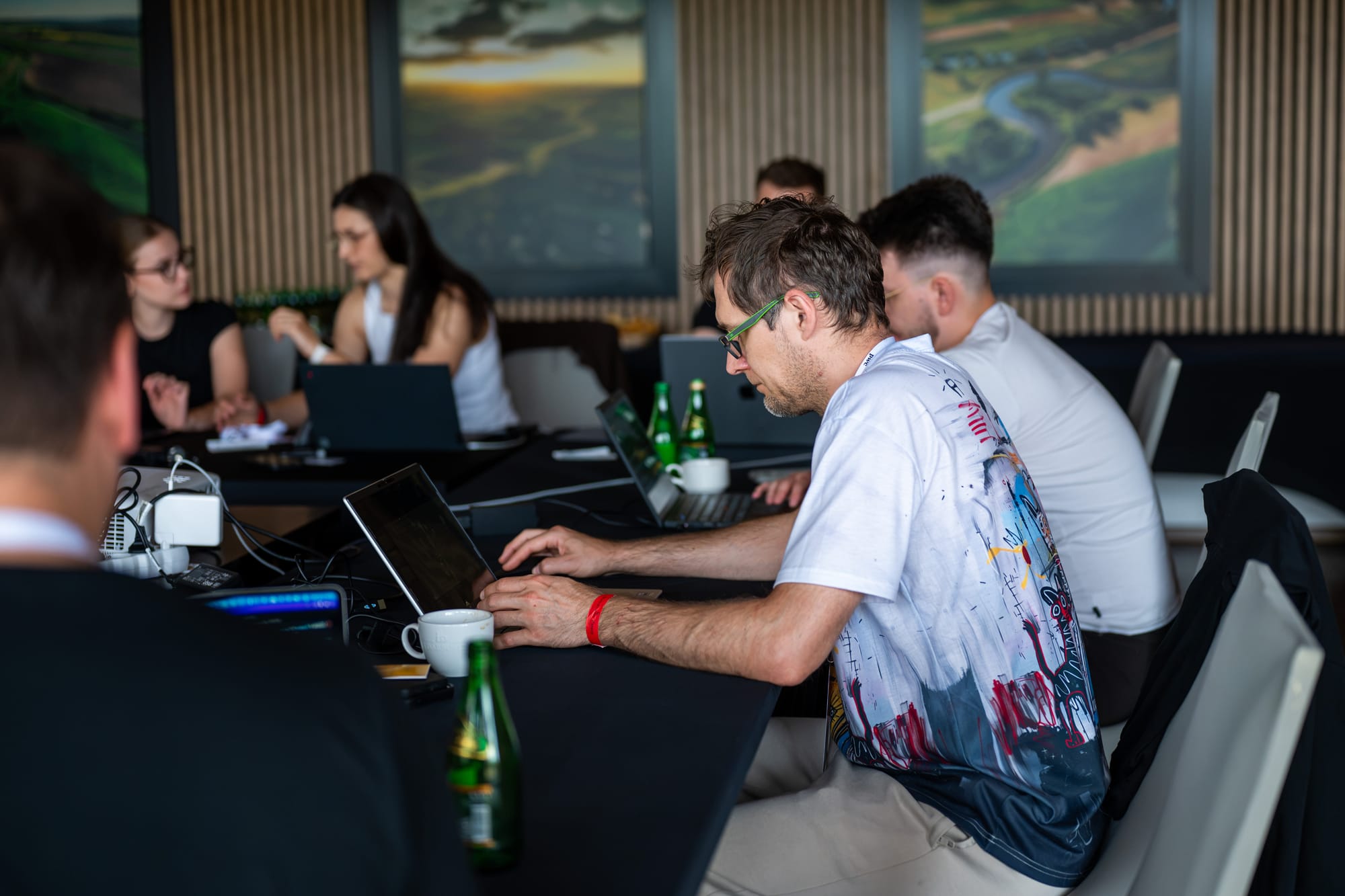
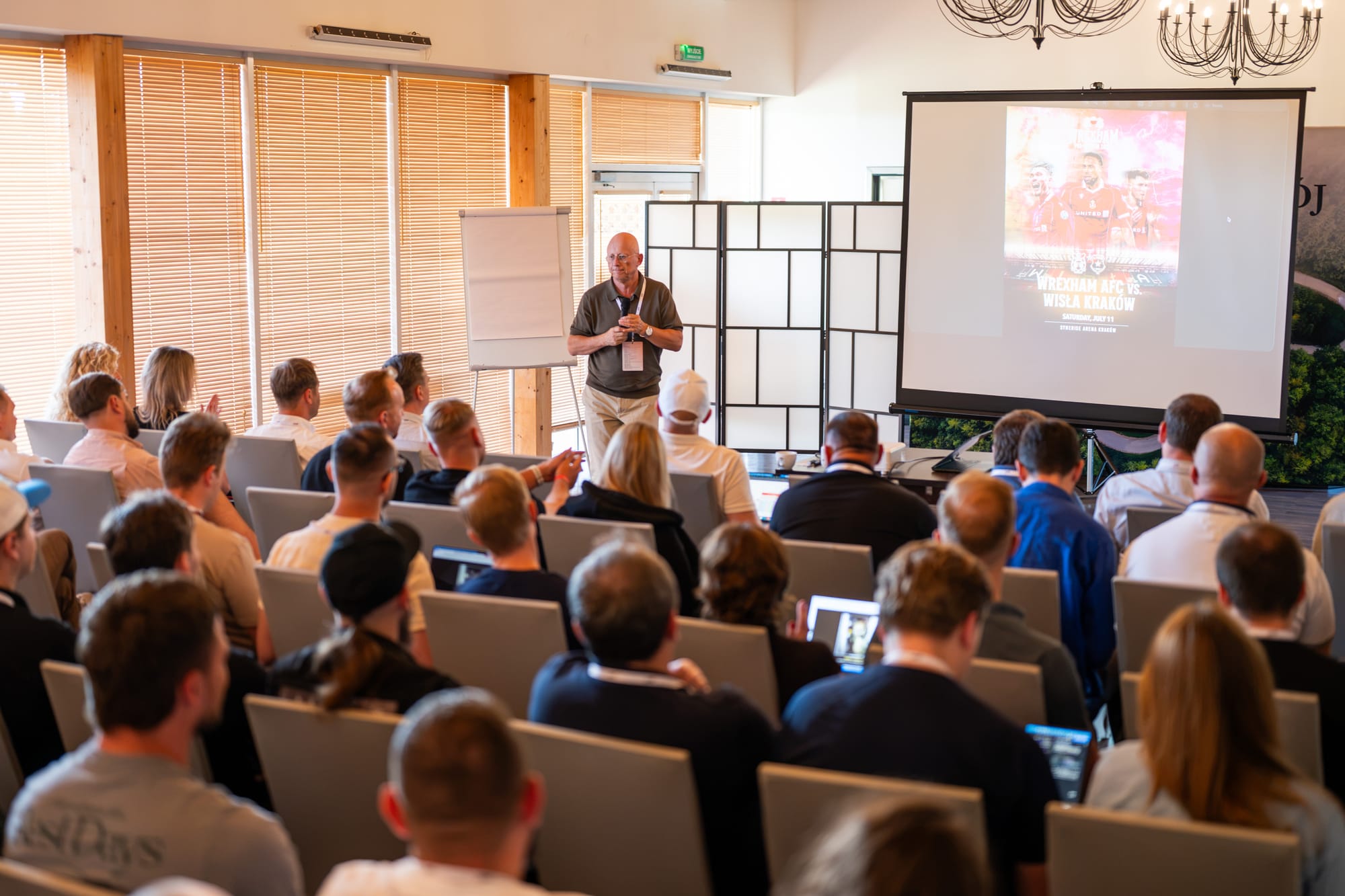
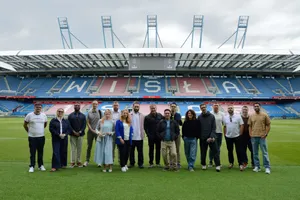
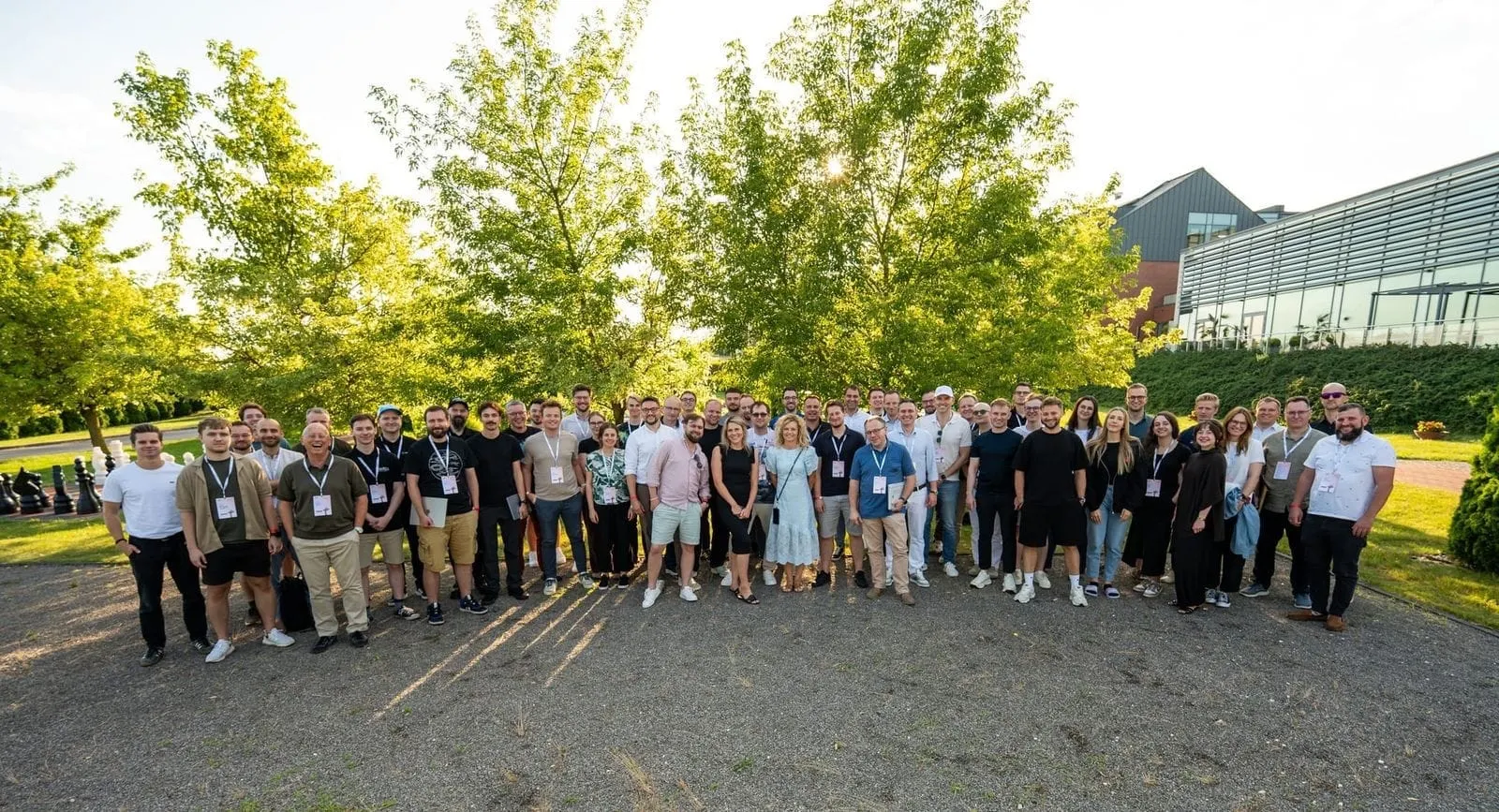
To explore this idea in practice, PwC, Synerise and Beyond.pl organized a hackathon held on July 1–3, 2026, built around six business challenges from retail and financial services. Working in six teams, PwC consultants together with business and technology leaders used BaseModel to build and test solutions for practical use cases ranging from recommendation and segmentation to customer retention and risk prediction.
Instead of asking participants to build models from scratch, the objective was to determine how far a single behavioral foundation model could be adapted to support fundamentally different decision-making problems.
Bringing the Right Ingredients Together
Exploring the limits of behavioral foundation models required more than AI technology alone.
The initiative brought together business expertise, AI technology and large-scale computing infrastructure.
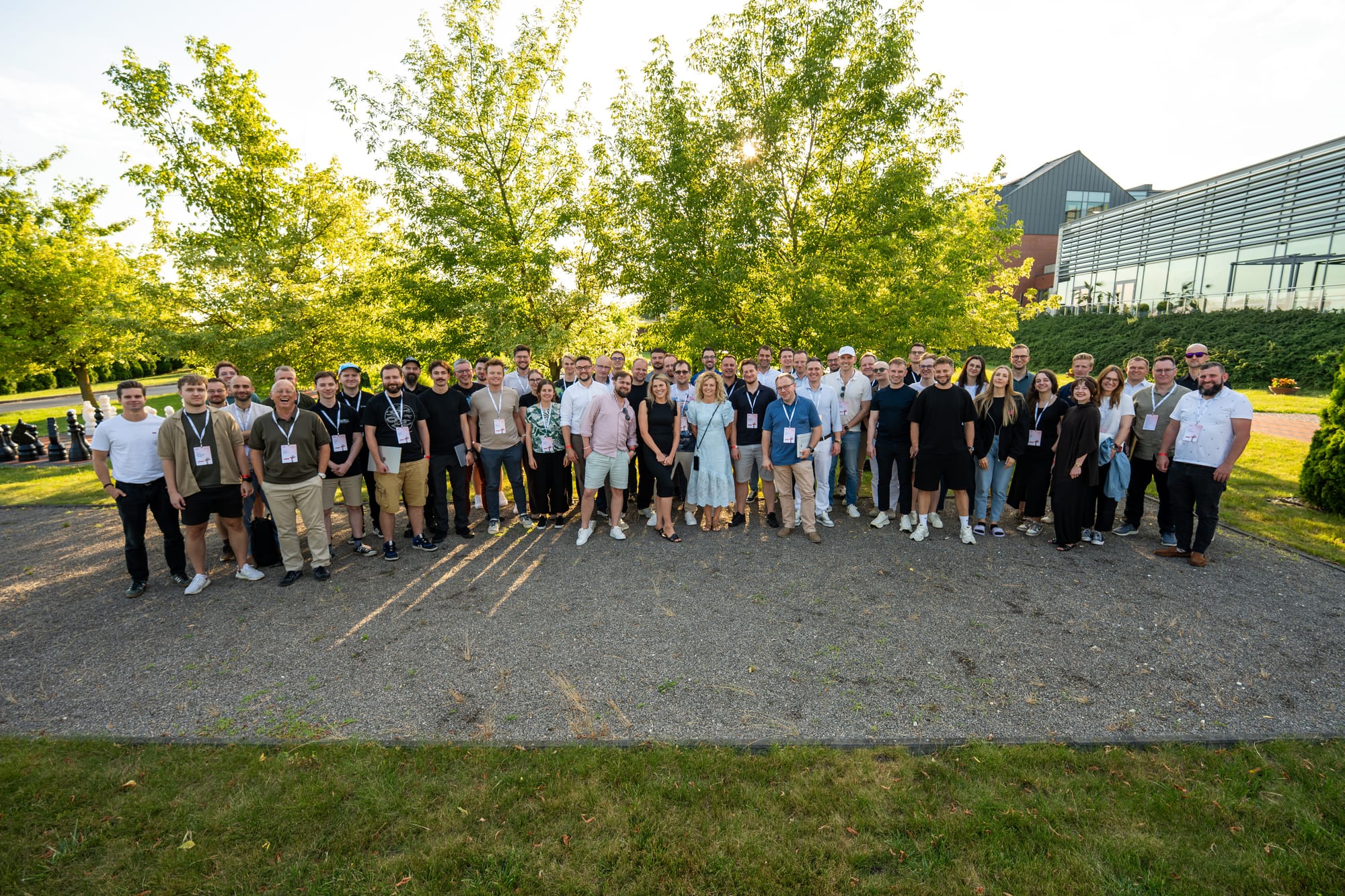
The business challenges were developed jointly by PwC and Synerise, with six use cases selected across retail and financial services. The event brought together cross-functional teams of PwC consultants, business leaders and technology experts, creating a unique setting where domain expertise, technology and hands-on experimentation could meet around a shared set of challenges.
Synerise provided BaseModel, a foundation model for behavioral data, as well as mentors assigned to individual teams, supporting participants as they adapted the same behavioral foundation to different business problems.
Beyond.pl supplied the computing infrastructure required to run large-scale foundation-model workloads, including high-performance GPU resources used throughout the event.
Together, these three components created an environment in which participants could explore how a single behavioral foundation might support multiple decision-making scenarios across industries.
Six Challenges, Two Industries
The six challenges were intentionally selected to represent different business objectives across retail and financial services. While the domains differed, all scenarios relied on the same underlying capability: understanding customer behavior as a sequence of events and translating that understanding into predictions or decisions.
Retail
The retail challenges were built on publicly available behavioral datasets representing customer transactions, product interactions and purchasing journeys.
Next Best Offer / Campaign Recommender
Identify the best product, communication channel and moment for every customer while maximizing campaign revenue and return on investment.
Predictive Behavioral Segmentation + Churn
Segment customers based on their predicted future behavior rather than historical activity alone, helping businesses identify emerging high-value and at-risk customers earlier.
Budget-Constrained CRM Optimizer
Allocate a limited marketing budget across customer groups, offers and actions to maximize incremental business impact rather than simply predicting who is likely to buy.
Financial Services
The financial-services challenges were built on publicly available behavioral datasets reflecting customer relationships, product adoption and financial activity over time.
Next Best Product / Cross-sell Engine
Recommend the most relevant banking product, communication channel and timing for each customer based on behavioral signals and product propensity.
Churn / Retention War Room
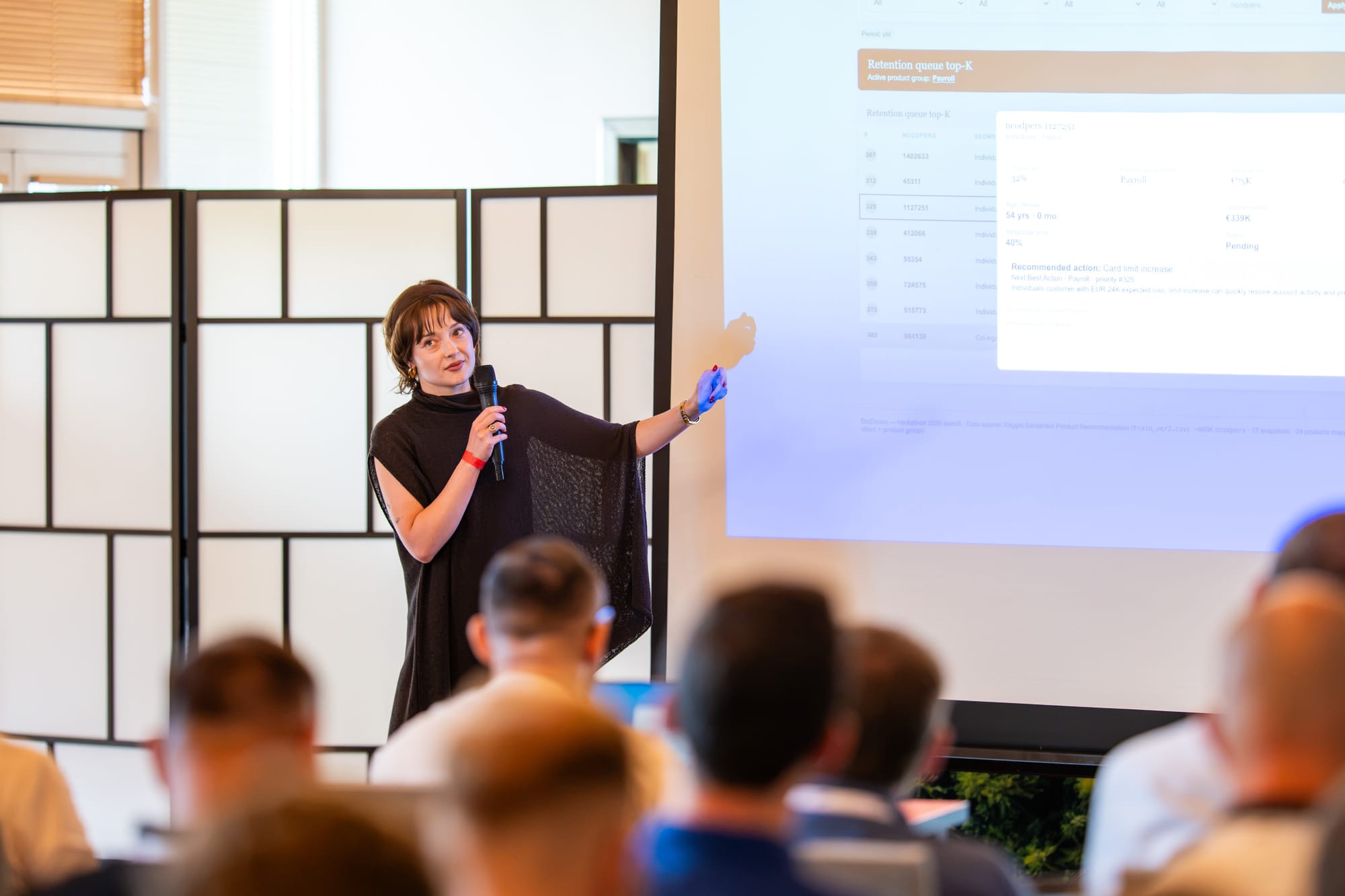
Go beyond churn prediction by prioritizing customers according to the actual value at risk and recommending the most effective retention action.
Credit / Cash Flow Early Warning
Detect signs of financial stress and potential default before they occur, helping analysts focus on the cases with the highest expected business impact.
At first glance, these may appear to be entirely separate machine-learning problems. Yet all six depend on the same fundamental challenge: learning patterns from behavioral sequences and transforming them into business decisions. That common dependency made them an ideal test bed for a foundation-model approach to behavioral AI.
One Foundation, Multiple Objectives
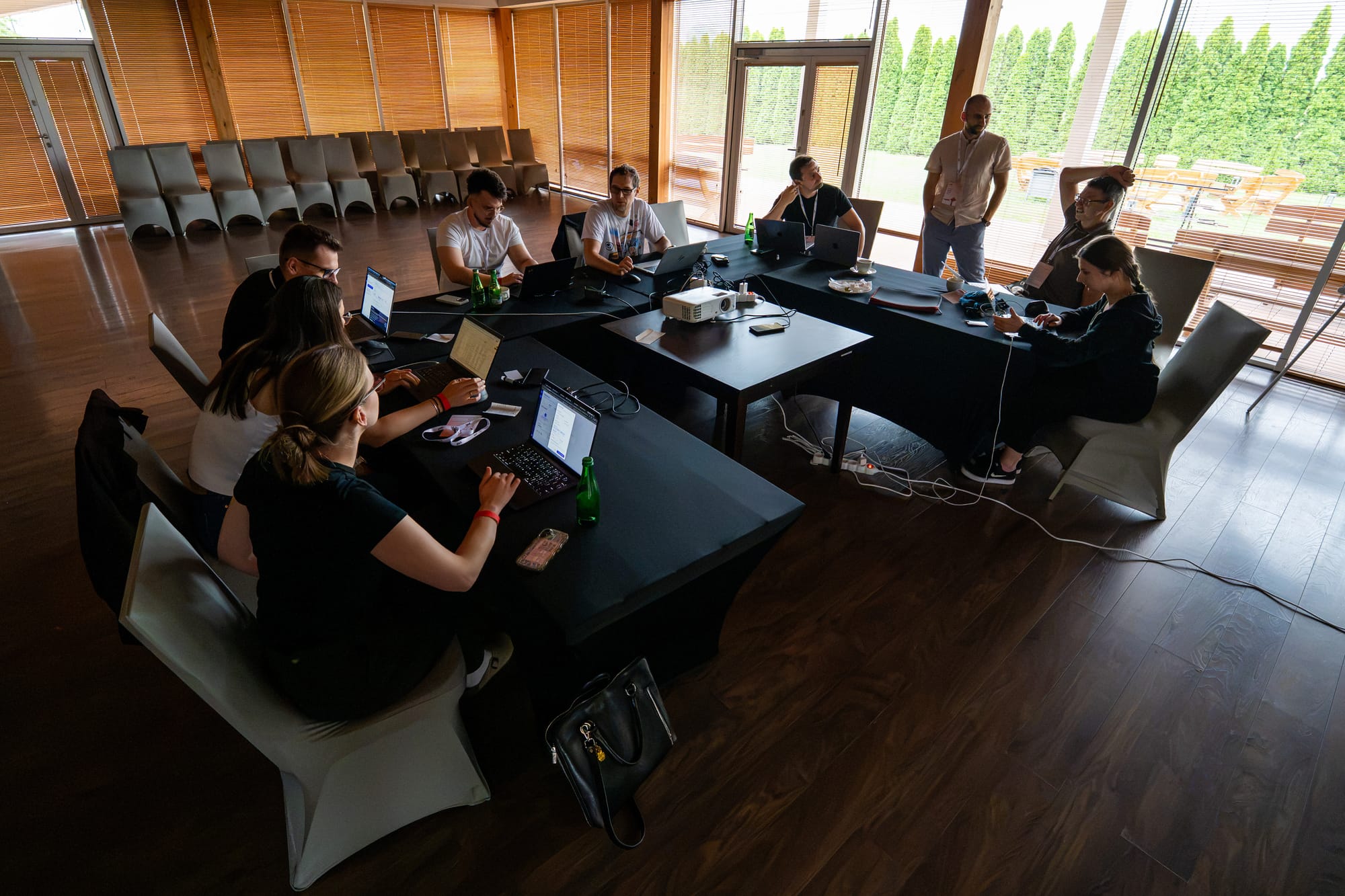
Participants worked on top of shared foundation models rather than creating models from scratch. While the business objectives differed, each team started from the same behavioral foundation and adapted it to a specific scenario.
This approach reflects a shift from building separate models for individual tasks toward reusing a common representation of customer behavior across multiple applications.
For BaseModel, that behavioral representation is learned directly from customer interactions, transactions and event sequences. Once trained, the same foundation can be adapted to use cases such as churn prediction, recommendation, customer-value estimation or risk assessment.
Beyond Prediction
Several challenges extended beyond predictive accuracy.
Participants were not only asked to identify who might churn or which offer might be accepted. They also had to determine how limited resources should be allocated, which customers deserved attention first and what action would generate the greatest business impact.
This reflects a broader trend in enterprise AI: moving from prediction toward decision support. The real value increasingly comes not from understanding what might happen next, but from determining what should happen next.
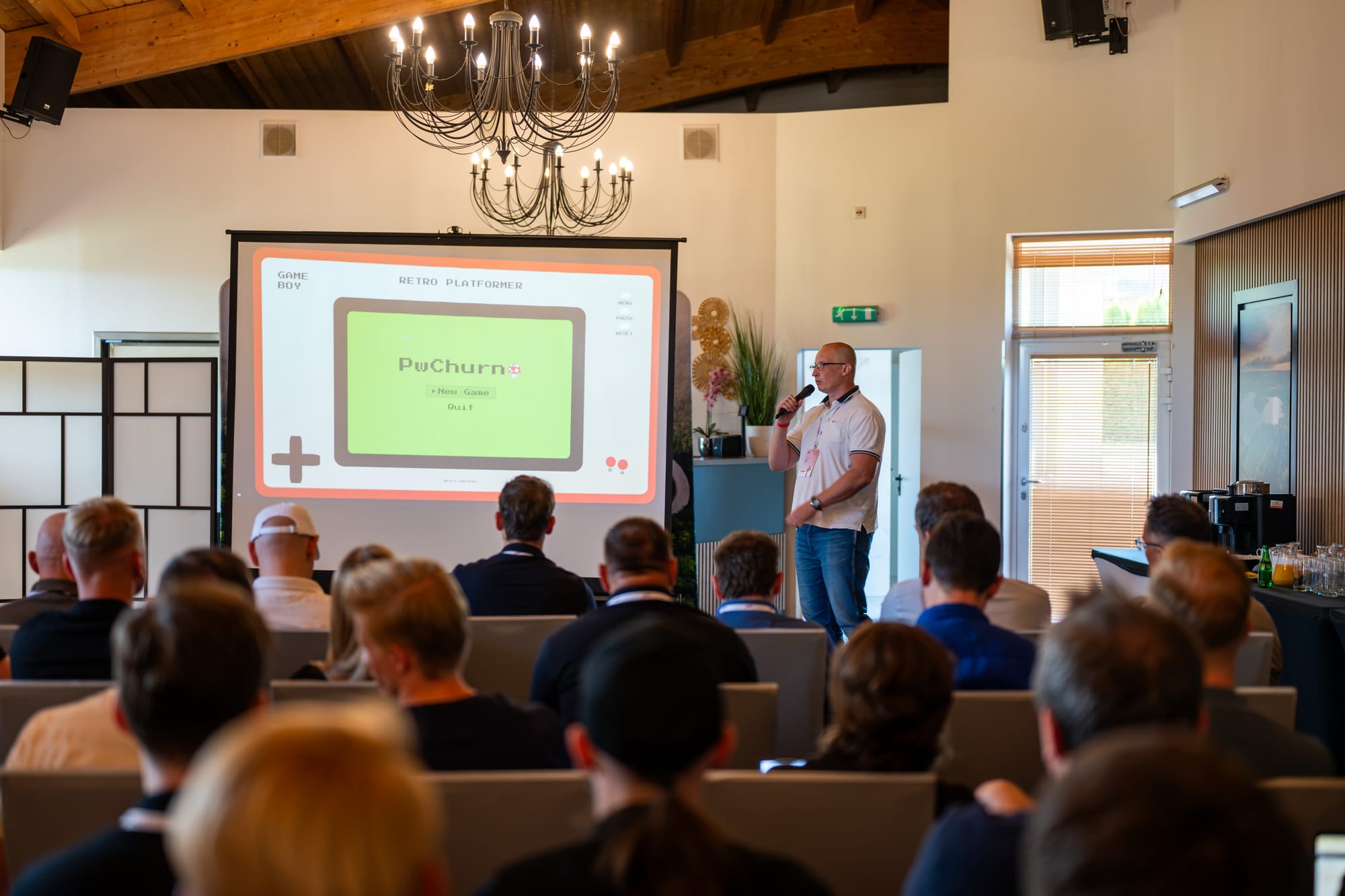
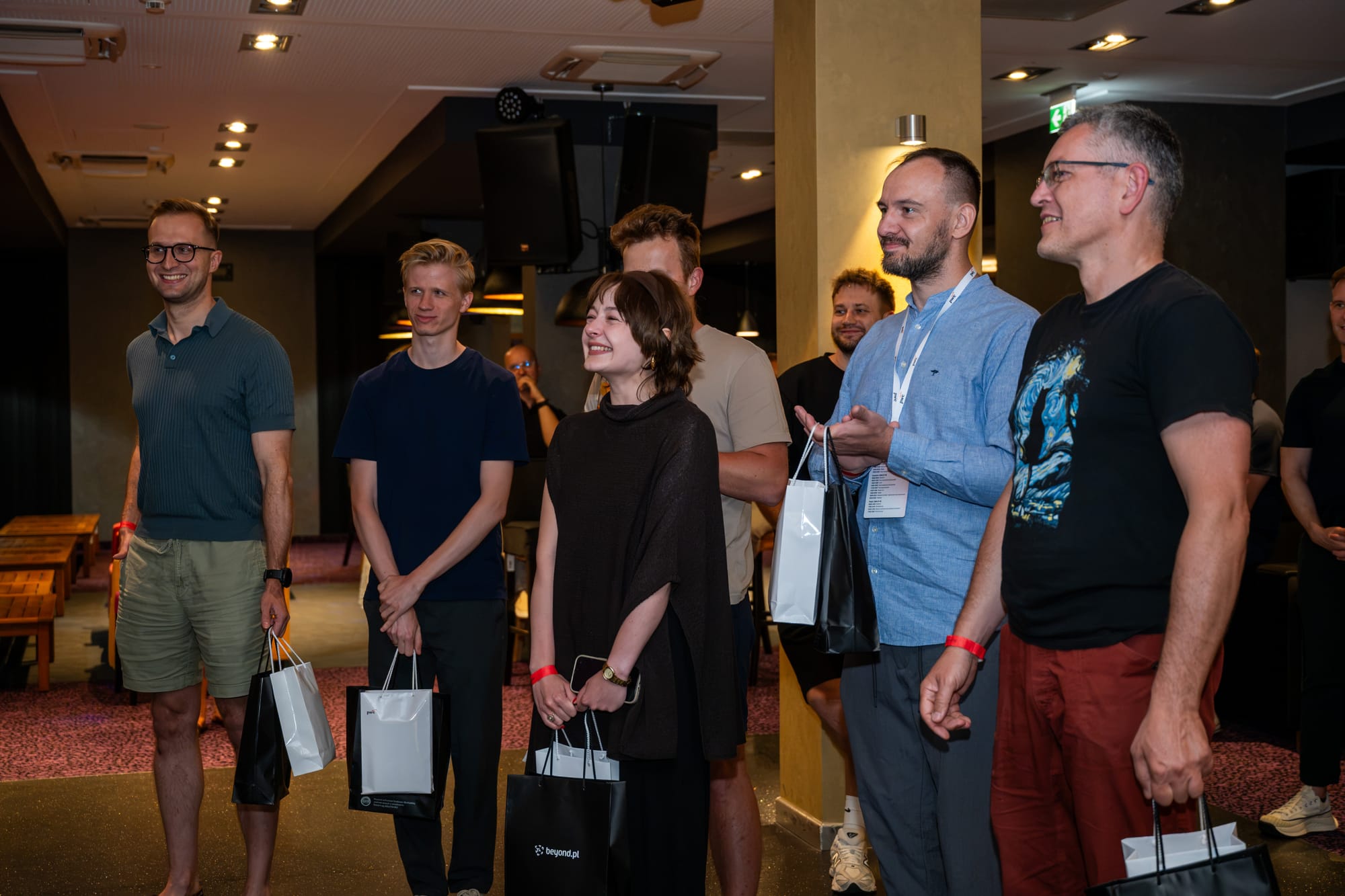
The resulting projects were presented to a jury and evaluated across three dimensions: the originality of the approach, the completeness and usability of the solution, and the quality of the final presentation.
This structure was intentional. Success depended not only on applying AI models correctly, but on transforming them into solutions that could address real business problems and communicate value clearly to stakeholders.
The winning solution was developed around the Churn / Retention War Room challenge, which focused on identifying not only which customers were likely to leave, but which customers represented the greatest value at risk and should be prioritized for retention efforts.
What the Hackathon Proved in Practice
The most interesting outcome may not be any individual solution created during the event.
More valuable is the observation that recommendation, segmentation, retention and risk assessment can all be approached through the same behavioral foundation. Despite their differences, all six challenges relied on learning patterns from customer behavior and using those patterns to support future decisions.
As foundation models continue to expand beyond language and images, behavioral AI may follow a similar path—providing a reusable intelligence layer that can be adapted to new business challenges as they emerge. The PwC, Synerise & Beyond.pl Hackathon offered a practical glimpse of what that future might look like.