
"If everyone has the same intelligence, what's your advantage?"
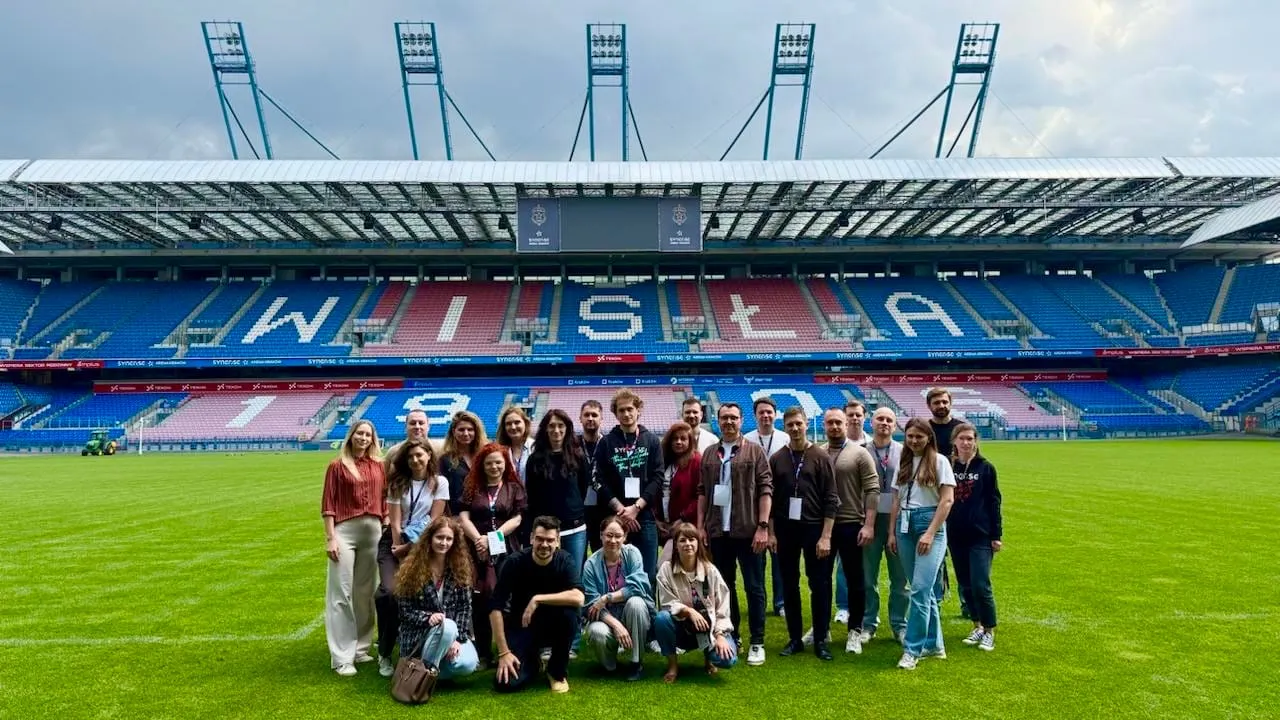
That was the question on the screen when the room sat down. June 17, Synerise Arena Kraków. Another edition of Client Meetup. Five brands that move different markets — in one room for a day.
We hosted: Orange Polska, AZA Group, Rossmann Polska, G2A.COM, and Traficar. Different industries. Different scale. One question underneath every conversation: not which feature solves this, but what to build on.
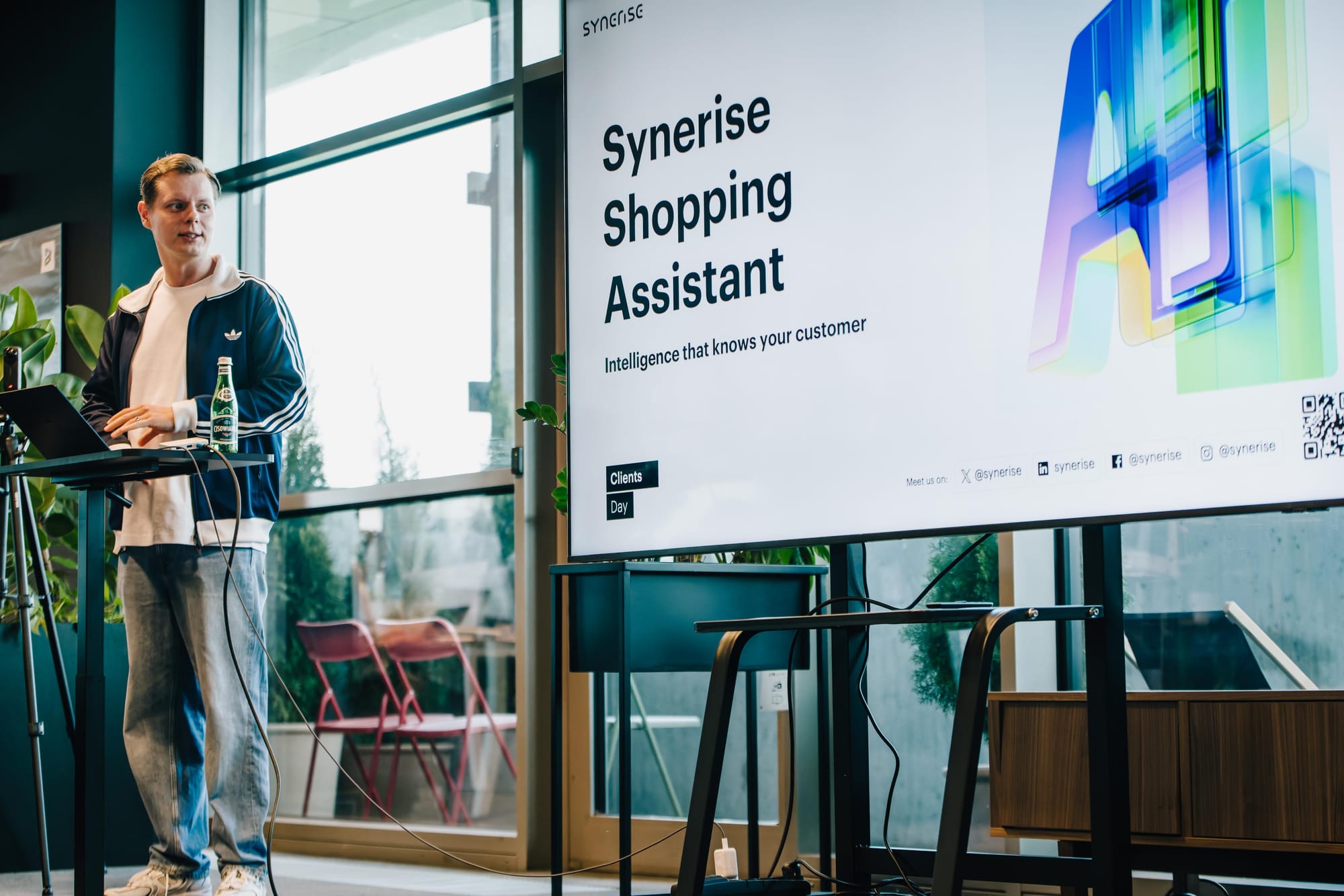
The workshop
The morning answered the question with a framework: three vectors, one platform, compounding value. Revenue, productivity, and interoperability don't run in parallel — they multiply.
- Shopping Assistant. Intelligence that knows the customer before the conversation starts. Not a chatbot bolted onto a storefront. A surface that reads behavioral signal and acts on it.
- Synerise Agents. Already running in production. Not a roadmap slide. Live.
- MCP + Code Skills. How we build with agents across our own stack. The same protocols we expose to customers, we use internally — so the next agent starts with context, not from zero.
"We left genuinely inspired — MCP above all." — Grzegorz Popis, Orange Polska
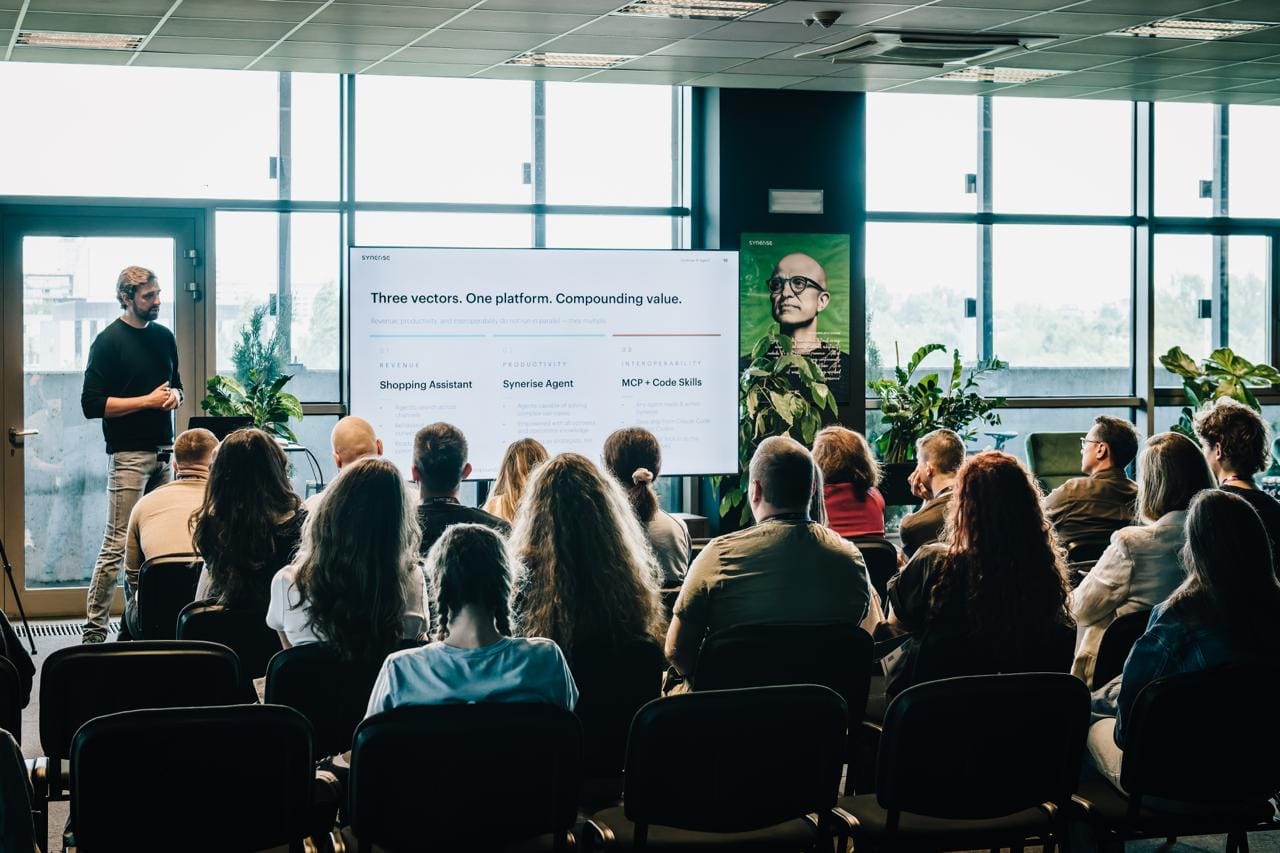
Then Brickworks — our behavioral CMS. Define once, deliver everywhere, personalized in real time. One schema, one source of truth, deployed across every surface. And WhatsApp as a channel.
"Brickworks — we're waiting for what comes next. It's a compelling way to build the Synerise integration into a site without the dynamic-content flicker." — Mikołaj Gierałtowski, Orange Polska
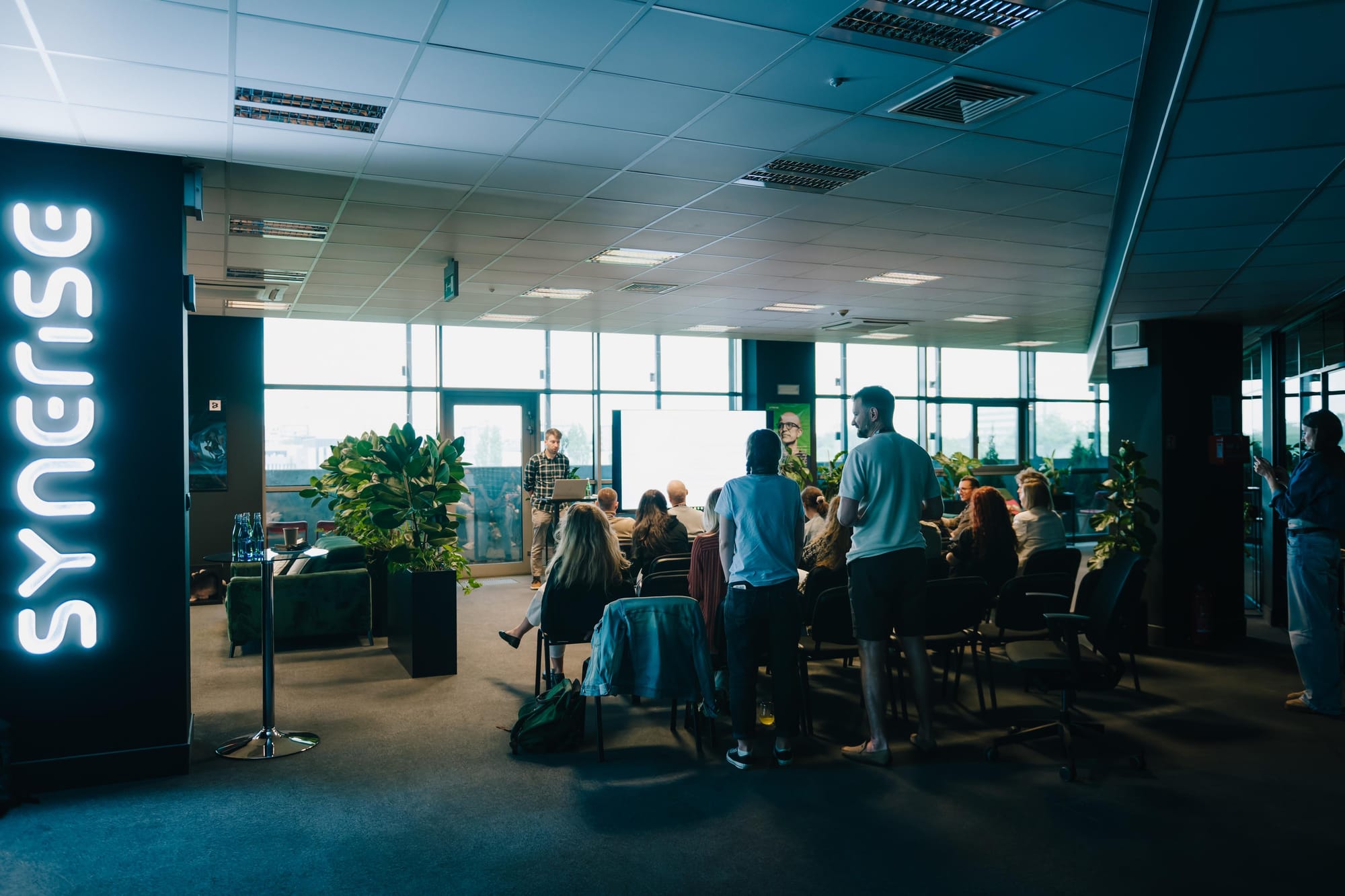
The afternoon moved to operational work — documentation and concrete use cases, showing where AI takes routine load off teams. Not in theory. In the day-to-day.
Were you at the Client Meetup on June 17? Share your thoughts.
Between the slides
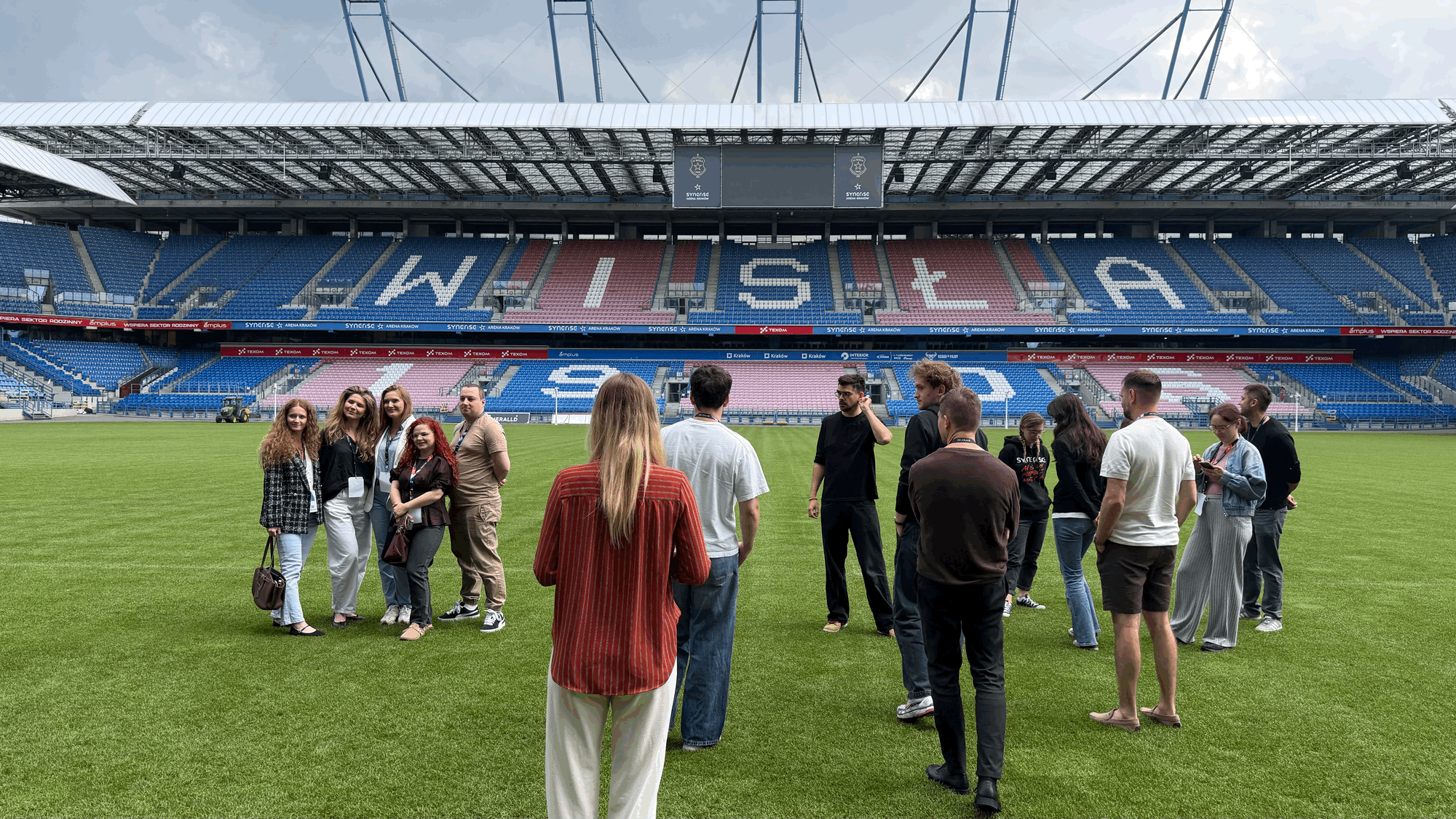
The most useful part of the day happened between the slides — in the conversations that only happen face to face. We walked the stadium. The kind of unscheduled exchange a venue like Synerise Arena makes room for.
Tooling scales. Trust is built in person. We do both.
That's the conversation we came for.
The category isn't AI agents
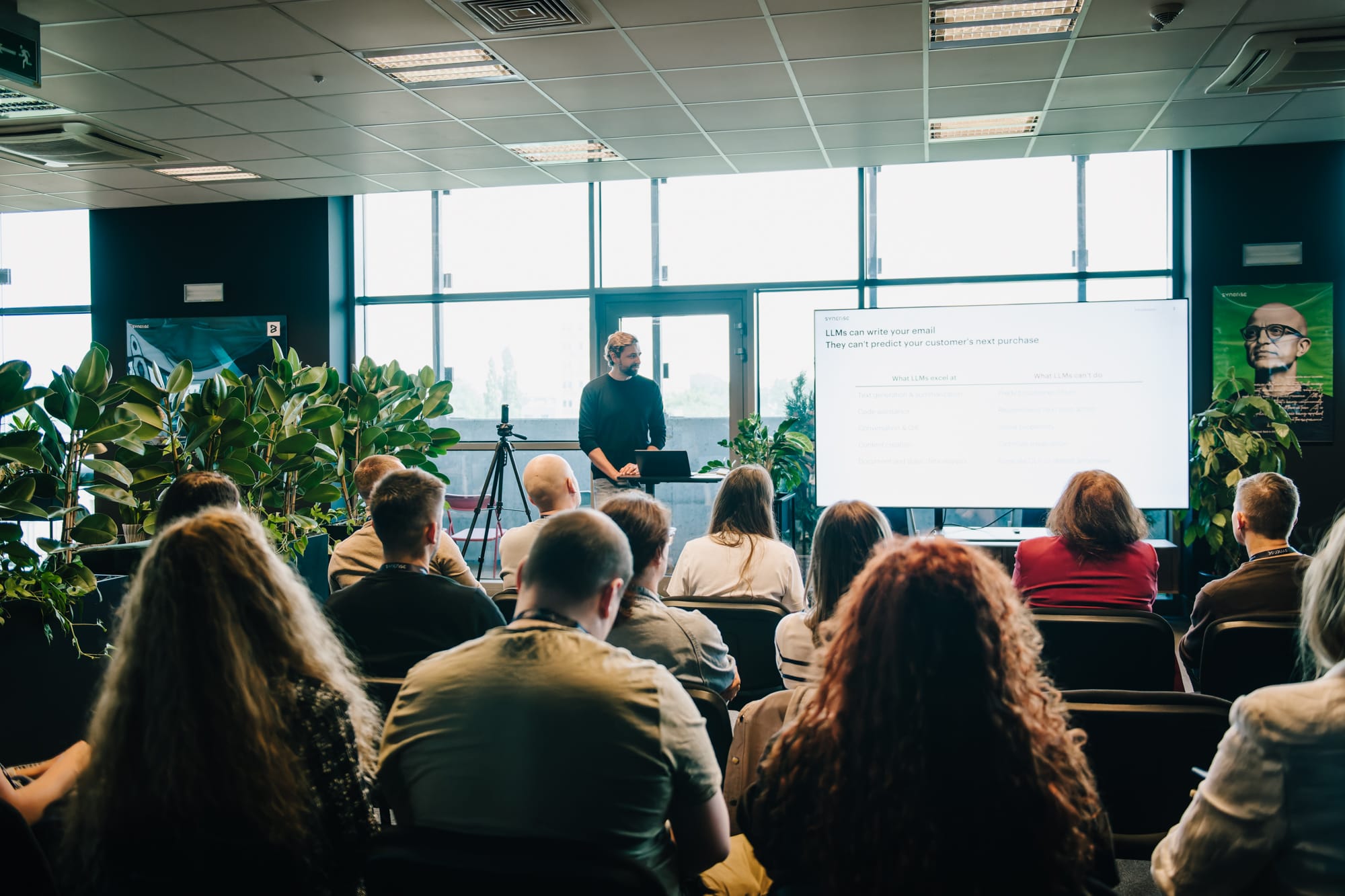
"LLMs can write your email. They can't predict your customer's next purchase."
That line was on the screen — and it's the whole argument in one sentence. The category isn't "AI agents." Agents are the consequence. The category is the infrastructure underneath them — first-party behavioral data, the context around every signal, and the ability to act on both in real time.
Behavioral AI infrastructure captures signal in real time, predicts the next action, and automates the decision — from the first millisecond to billions of events. The agent is what that infrastructure makes possible. Remove the layer underneath and the agent is just another interface.
This is why the brands setting the pace don't shop for features. A feature is something you add. Infrastructure is something you build on. The first gives you a capability. The second gives you compounding advantage.
You can't replicate that by bolting an LLM on from the outside. Behavioral context lives in the infrastructure layer, not in the prompt.
"I love the pace Synerise is moving at. The whole Claude-powered AI layer is a big step forward — seriously impressive." — Rafał Falandys, Rossmann Polska
The room writes the roadmap
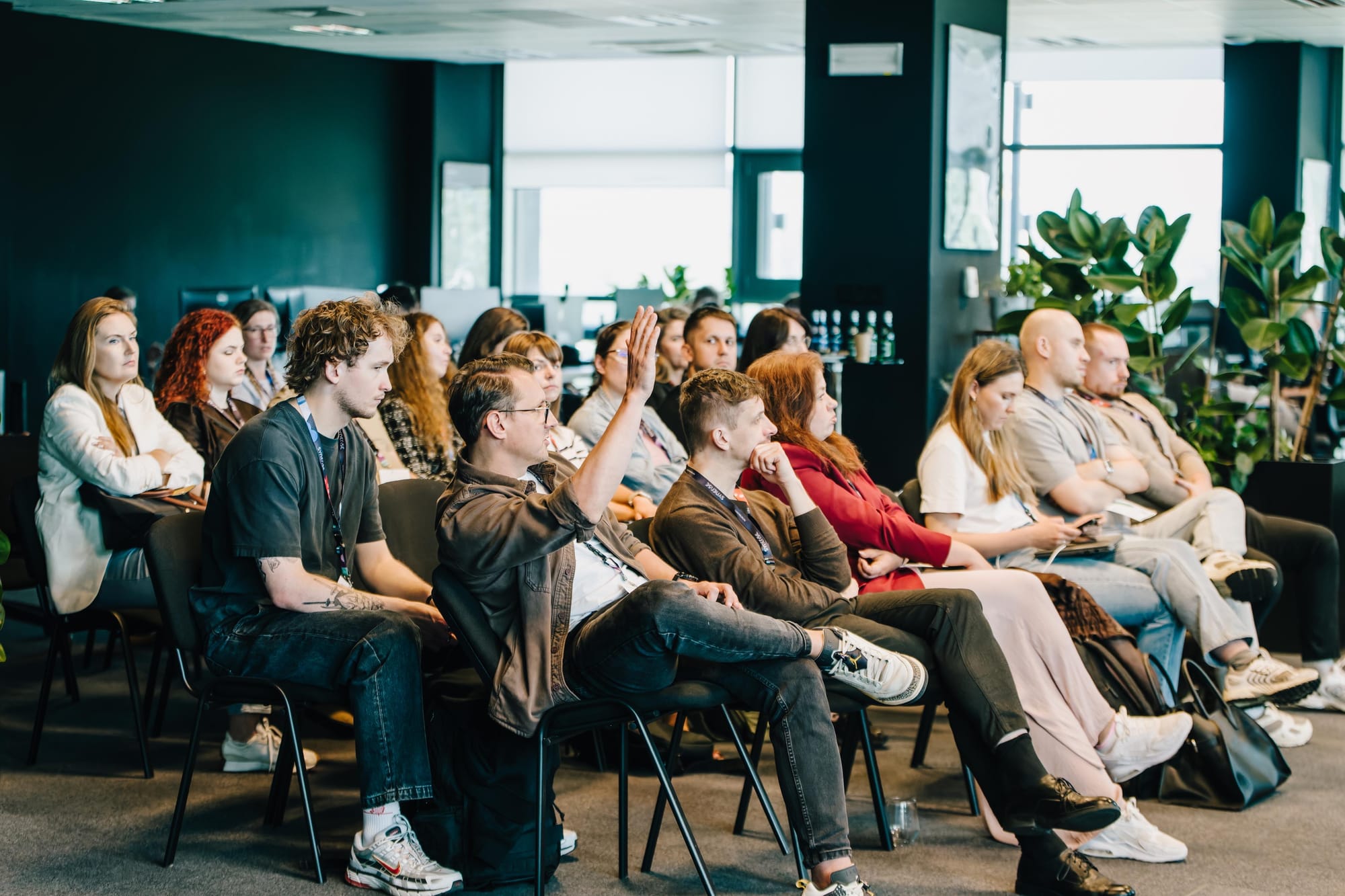
The brands in the room walked away with use cases scoped for their own customers. We walked away with a roadmap that's sharper because they were in it.

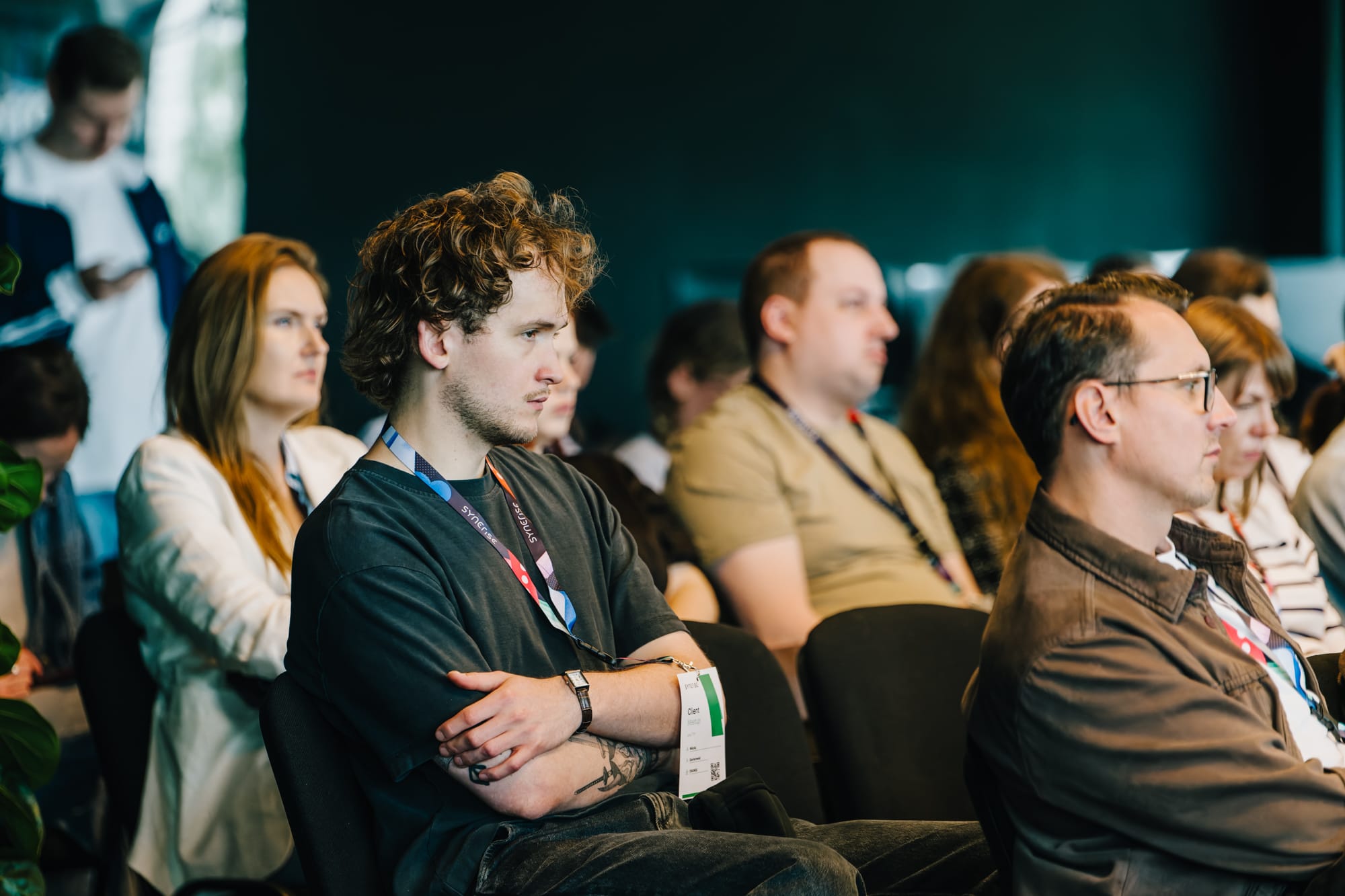
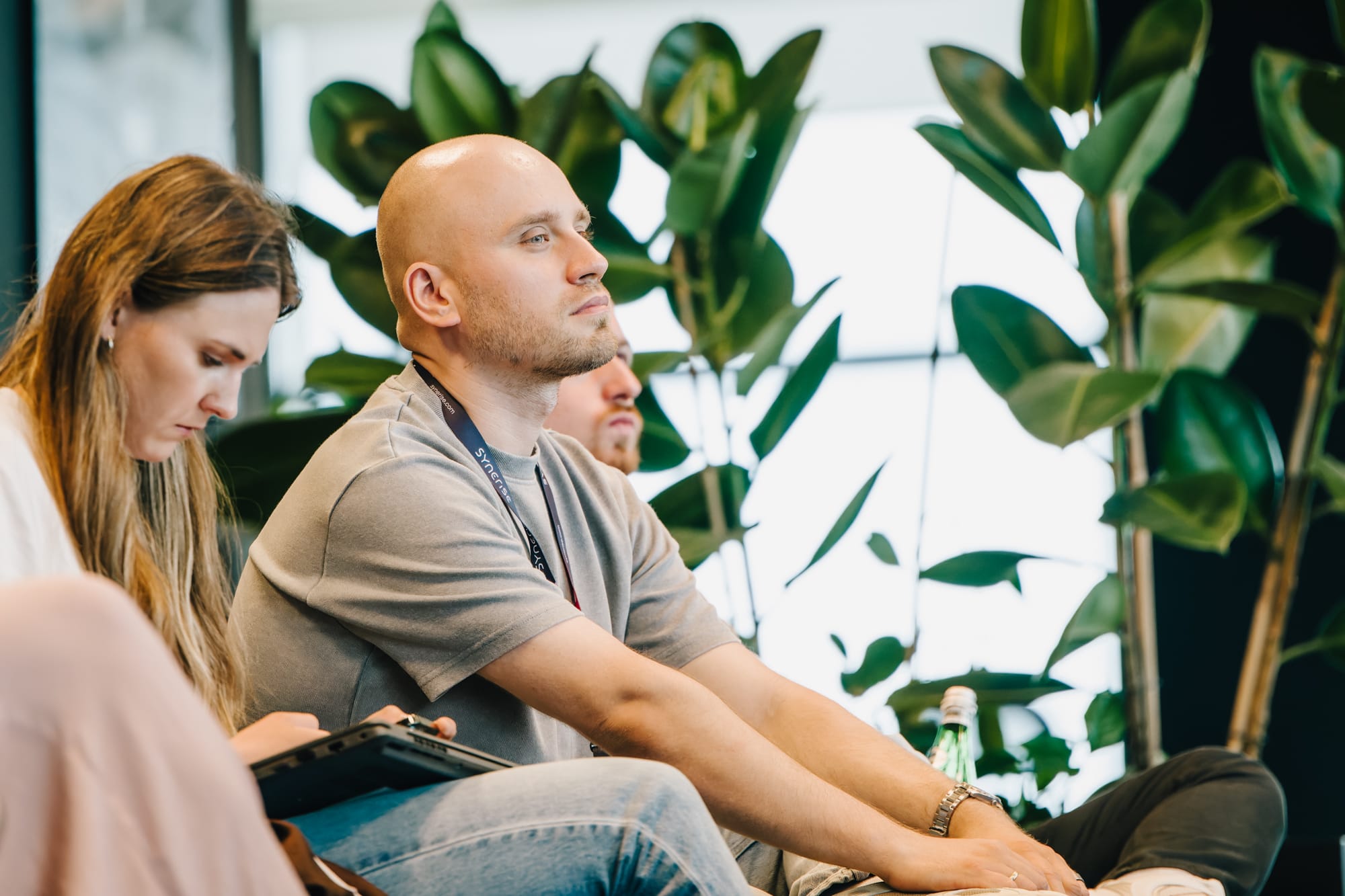
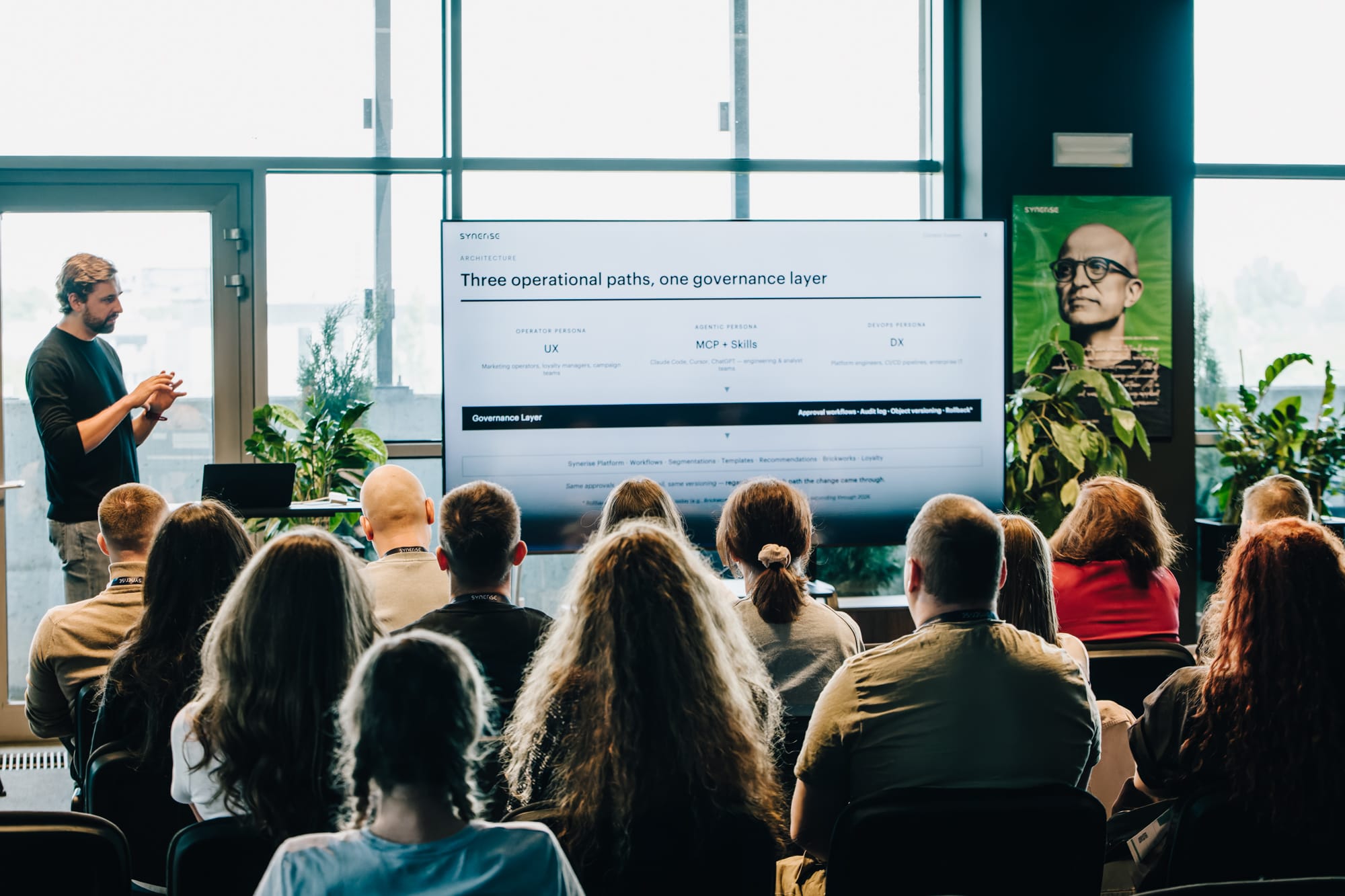


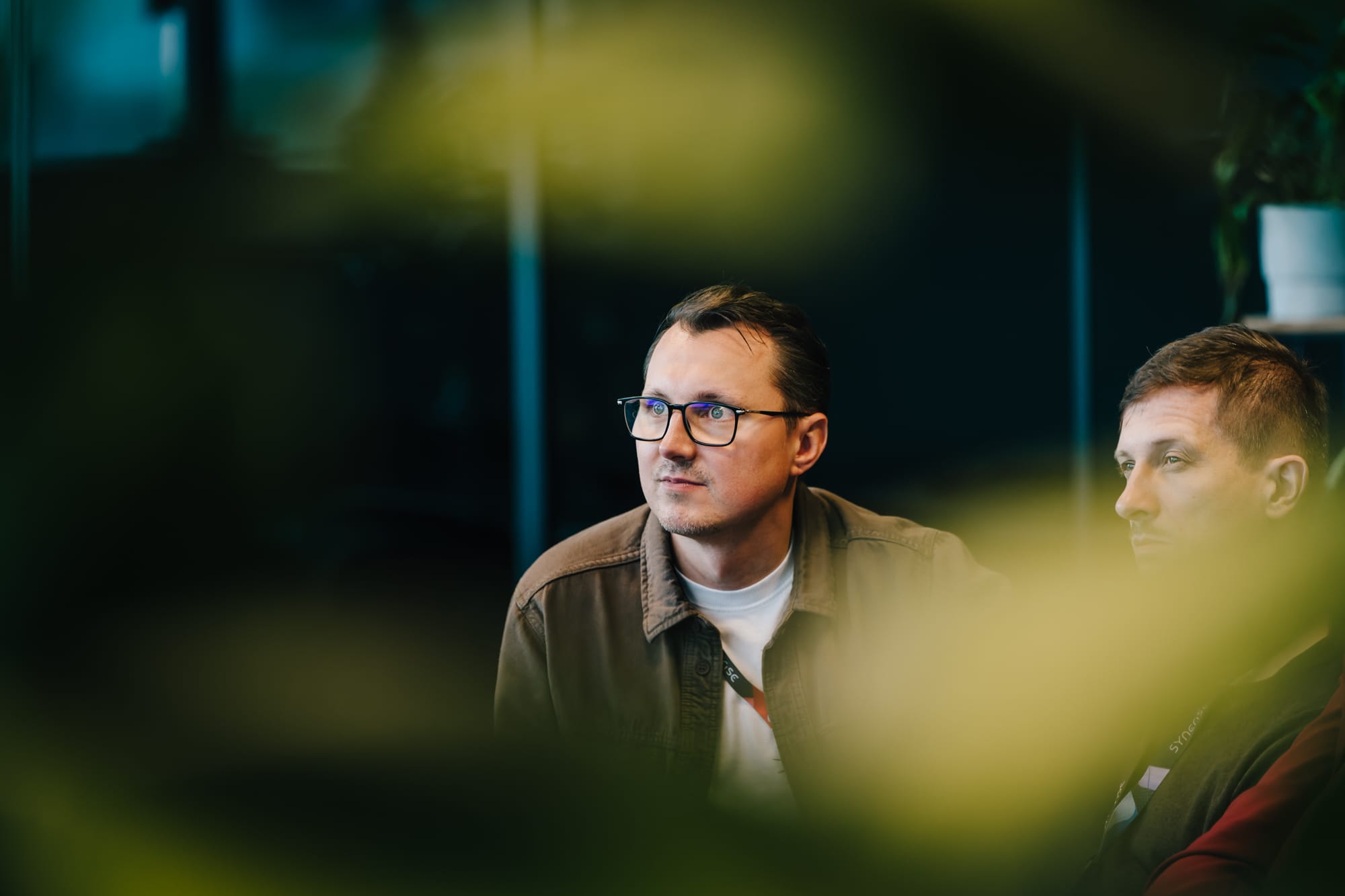

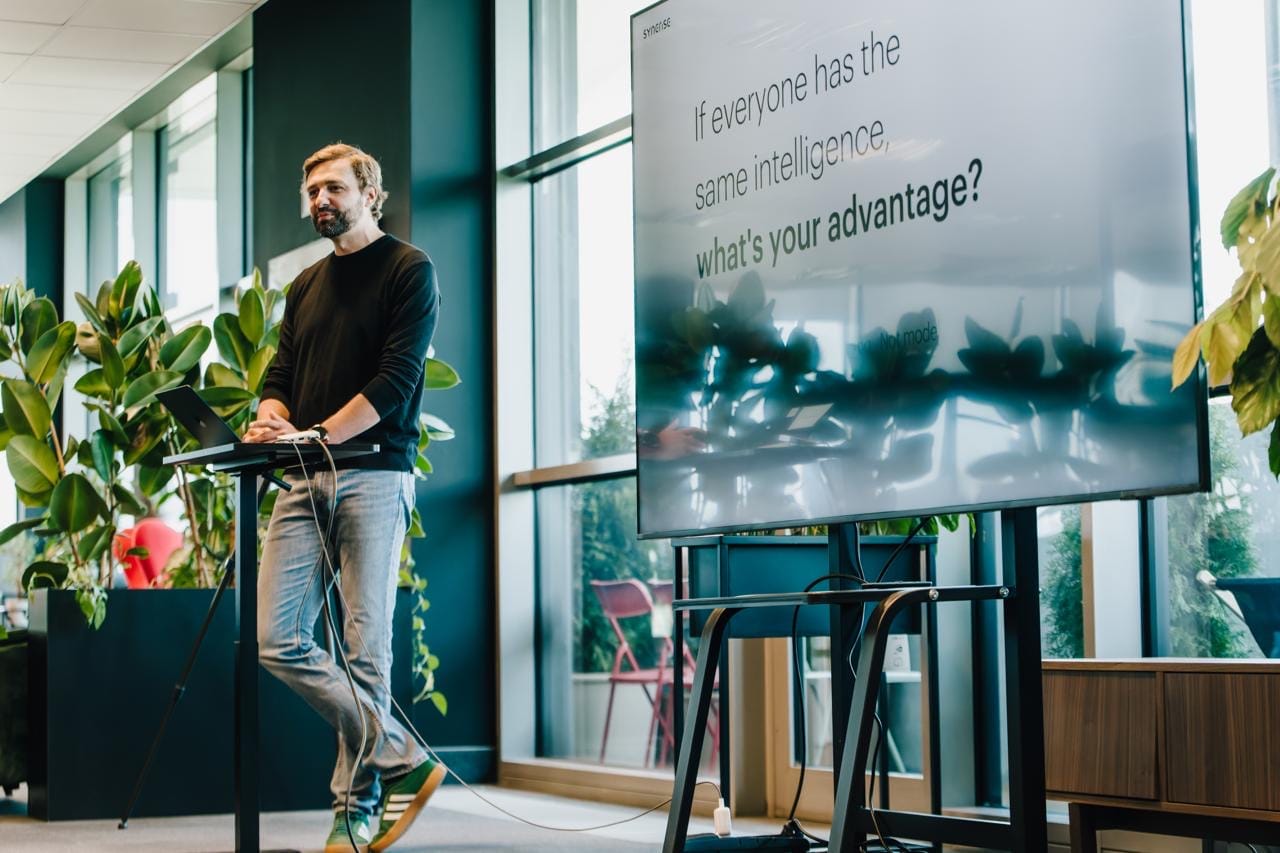
To Orange Polska, AZA Group, Rossmann Polska, G2A.COM and Traficar — thank you for the day, the questions, and the candor. The bar in that room was high. That's exactly how we like it.
The brands that set the pace aren't buying features. They're building on behavioral AI infrastructure.
Watch the highlights from the event: