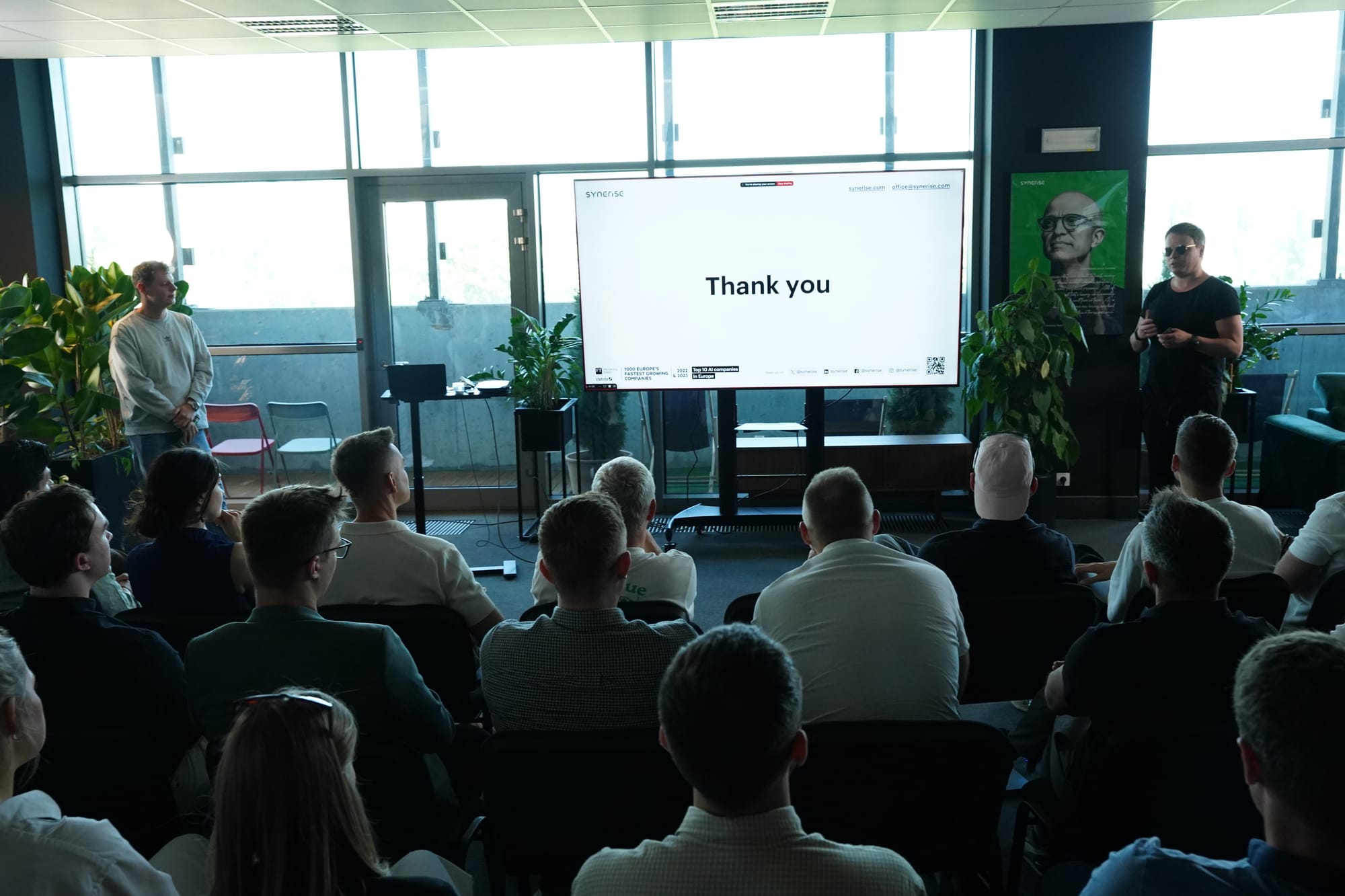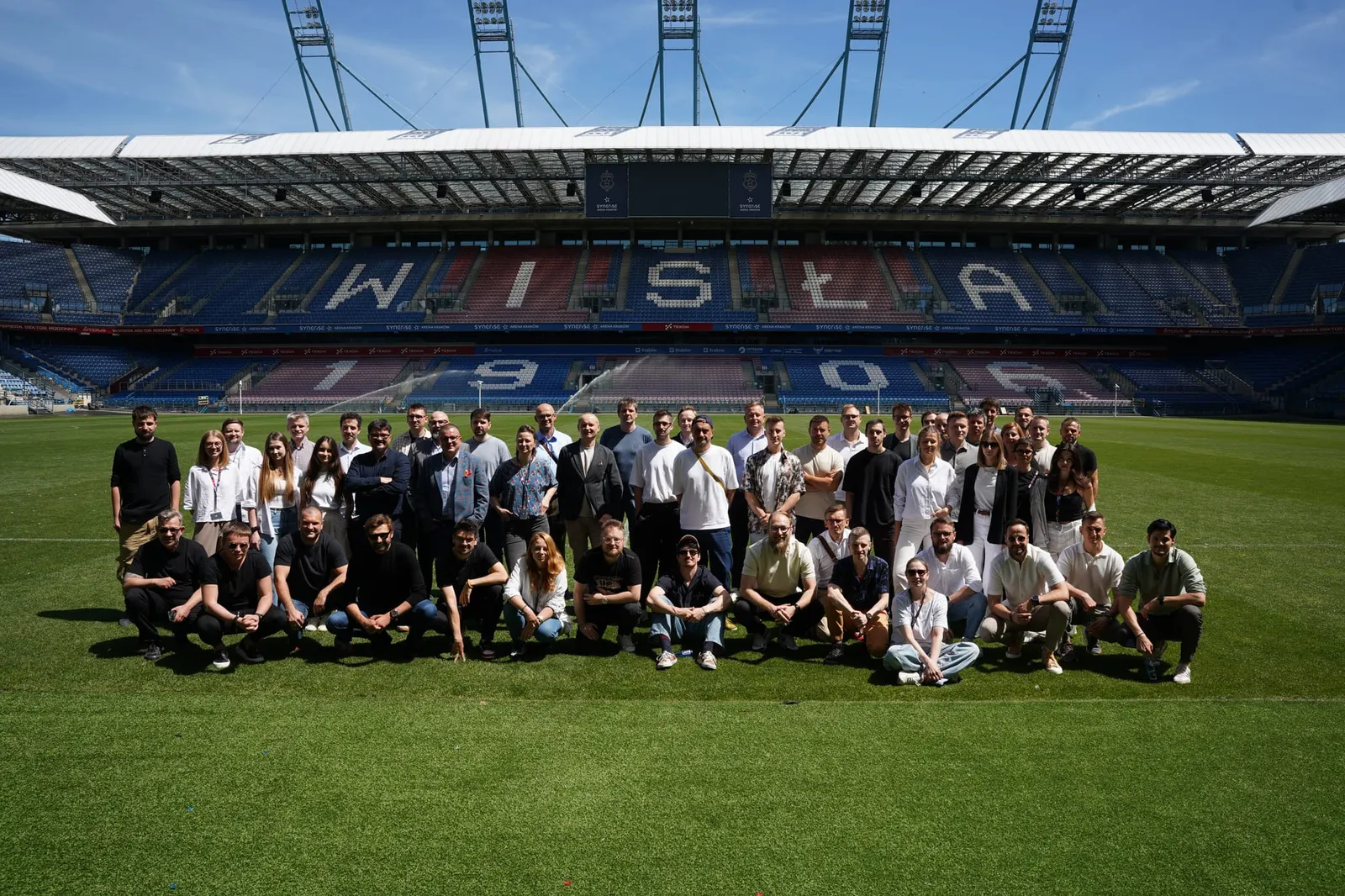
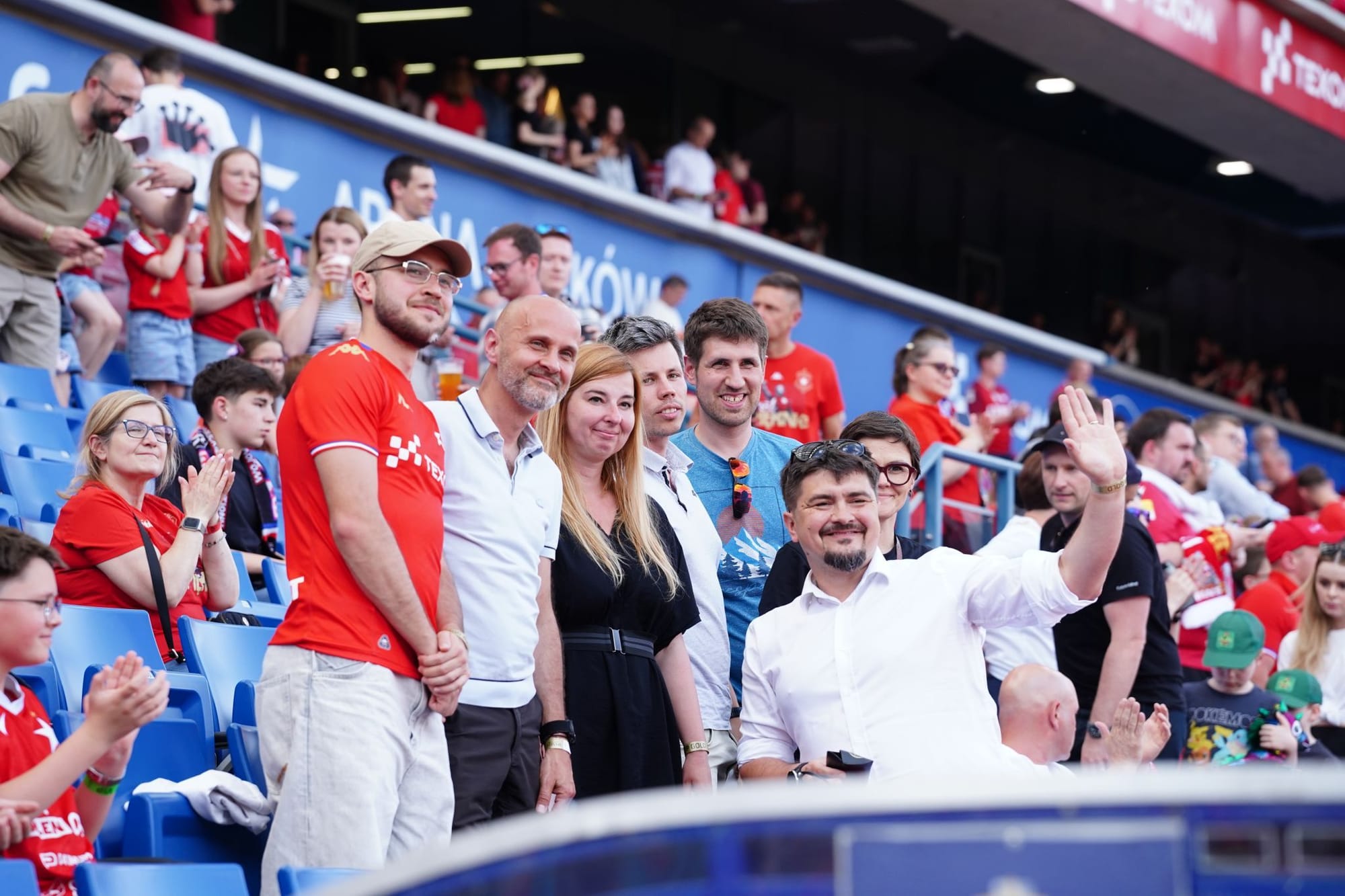
Sunday afternoon, Synerise Arena. Wisła Kraków against Pogoń Siedlce, the last match of the season, the stadium full. Fifty-something partners in our seats — some we've worked with for years, some we'd just met that morning. Football is a long game. So is this.
We hosted: 5Bonsai, Forte Digital, FOTC, Future Mind, Group One, H2H, Loyalty Point, Mohi.to, Publicis Groupe, Performics, RITS, Persooa, SalesTube, SemiRubicon, Spyrosoft, Univio, VML, and ZEB. Implementation muscle. Business reach. The full shape of what makes infrastructure travel.
Sunday: the Wisła game
We picked that match on purpose. The time horizon we think on is seasons, not single ninety minutes — and that's the one we wanted partners to feel in their seats before anyone walked into HQ on Monday morning. Three hours together at the stadium does more than three hours of slides ever could.
Monday: the workshop
Monday was a different gear. An all-day session at HQ office — no pitches, no demos for demos' sake.
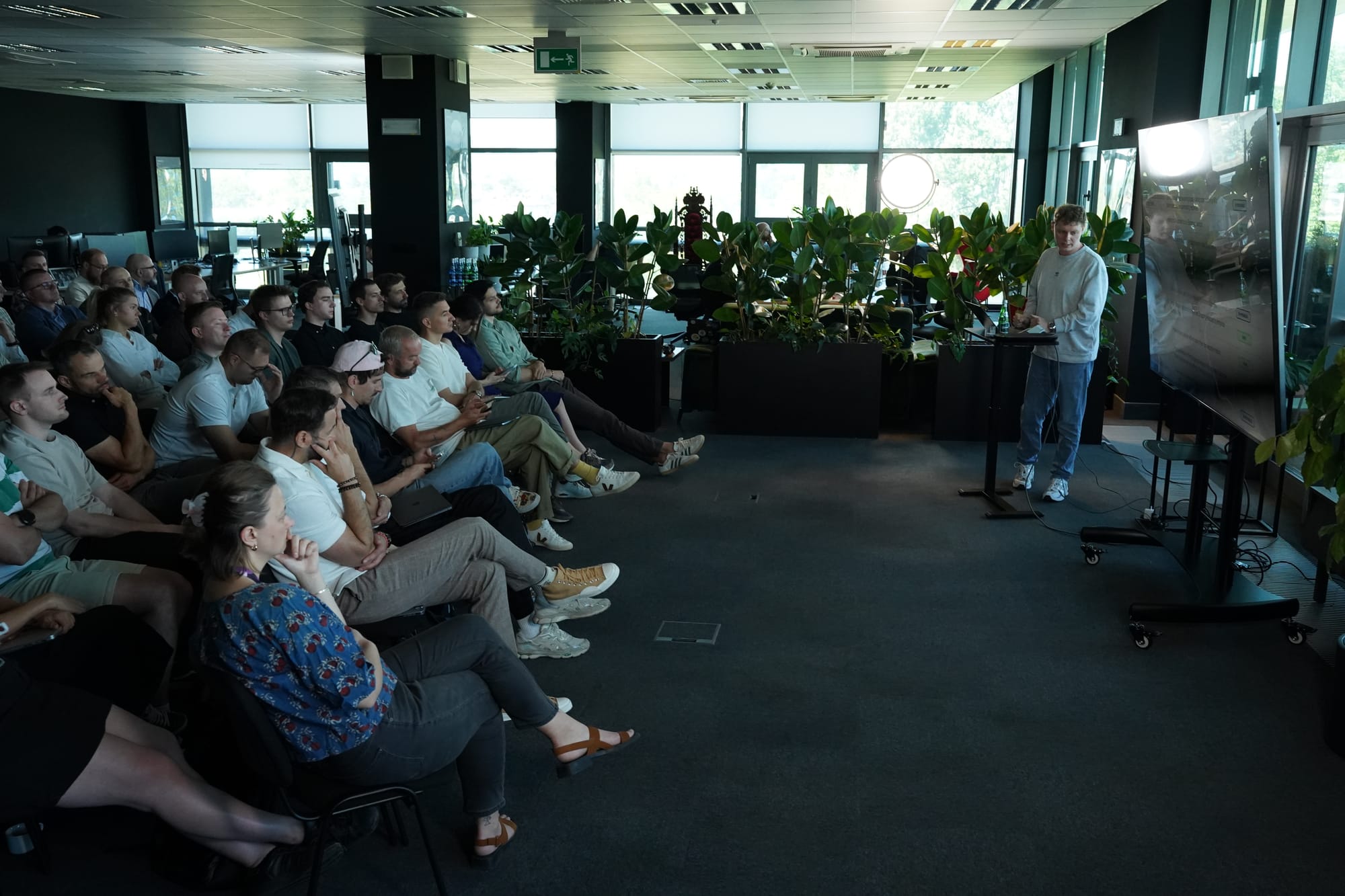
We walked the room through what's in production right now. Shopping Assistant and Automation Agent — live, on real customer signal, in front of partners who'll deploy at their own clients.
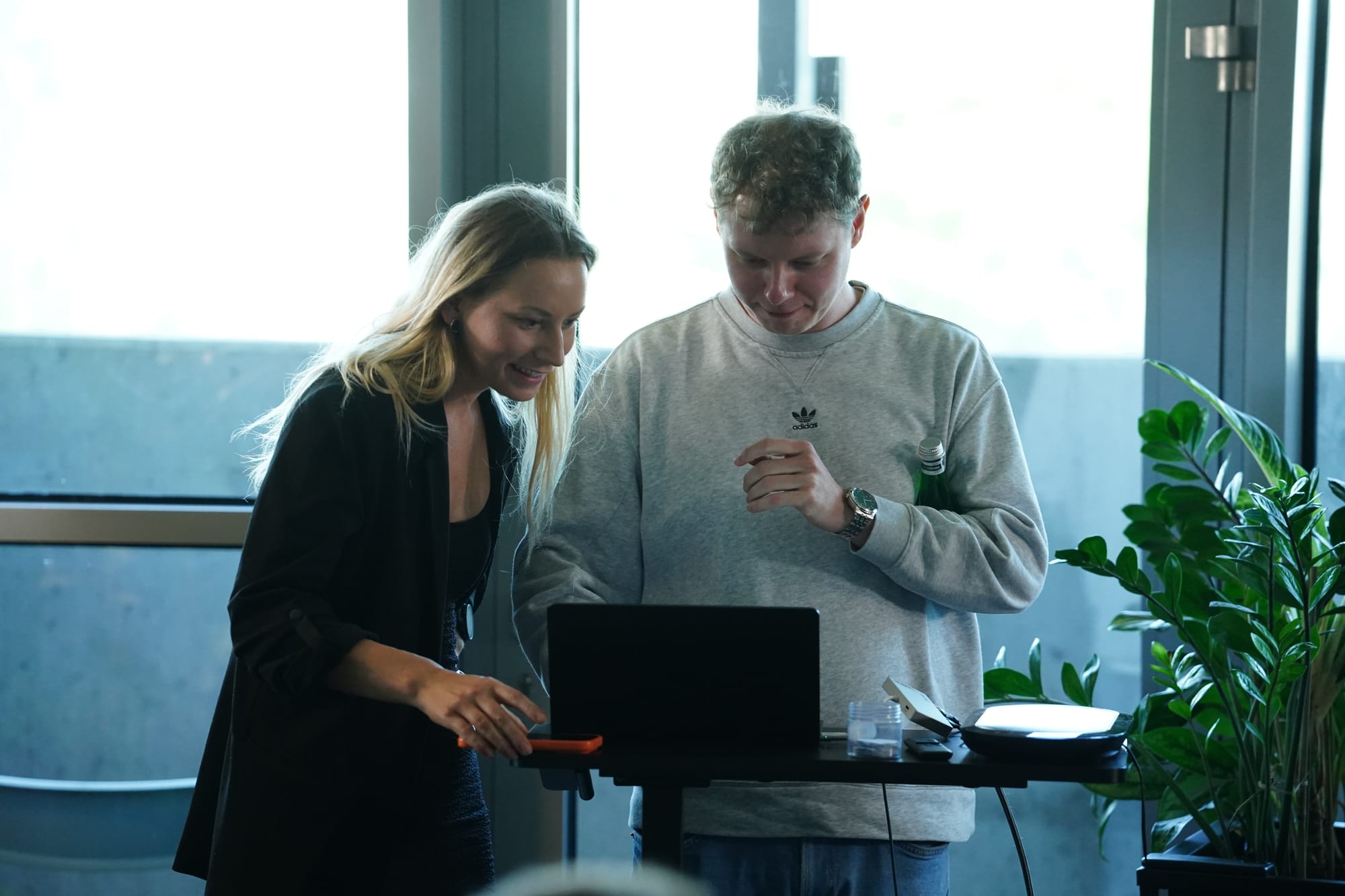
MCP came up next: the connective layer between agents and behavioral data. So the next agent your team builds doesn't start from zero. It starts with context.
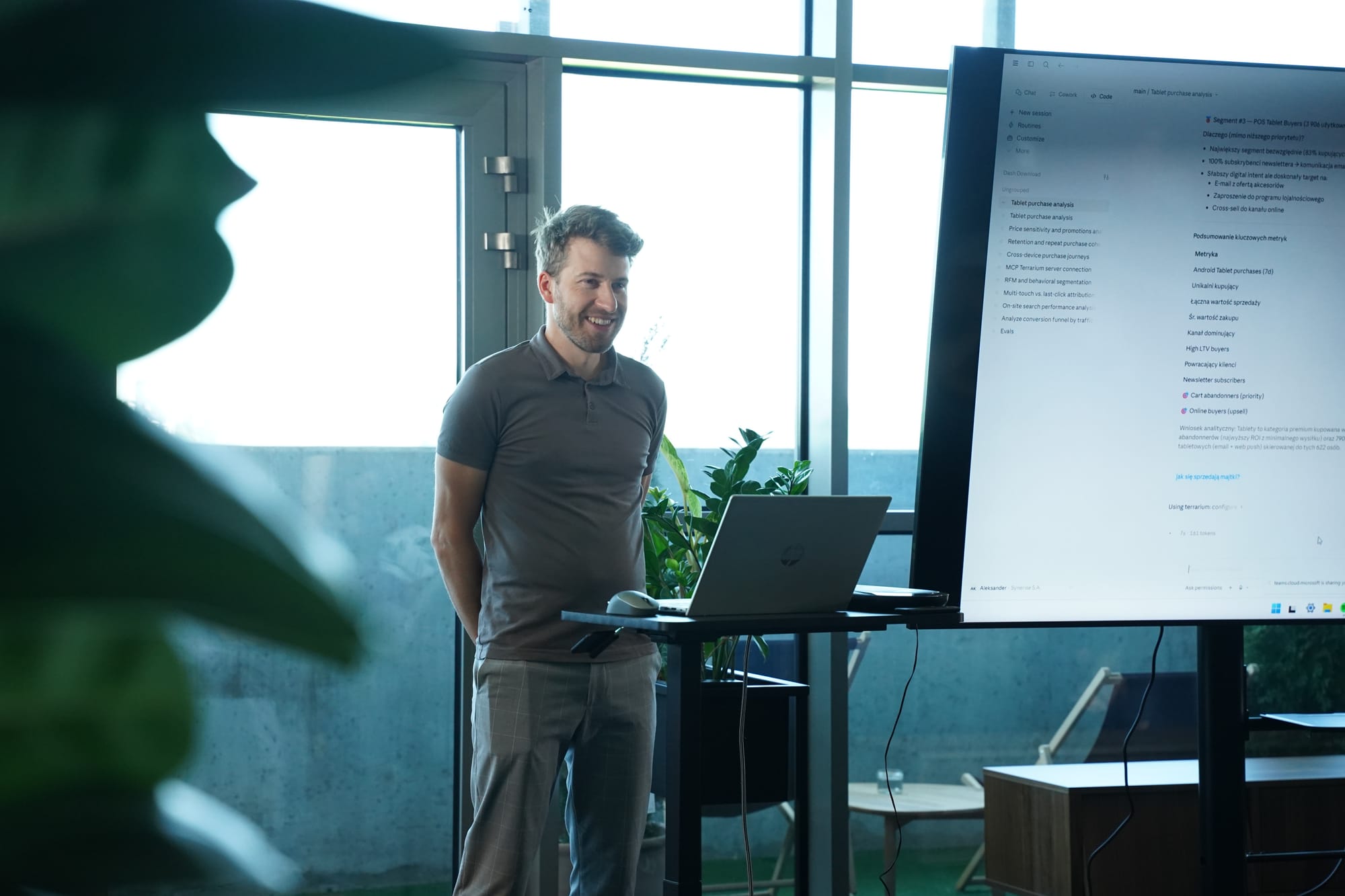
Brickworks underneath: our behavioral CMS. Define once, deliver everywhere, personalized in real time. One schema, one source of truth, deployed across every surface and tailored to every individual at the moment they see it. It's how you stop maintaining ten variants of the same thing and start treating content as a system. Brickworks was the room's favorite topic — and we get why.
We also showed something specific to a partner audience: three skill packs — Synerise Content, Synerise Brand Voice, Synerise Presentation Builder — that drop into Claude Code. Your coding agent starts following Synerise conventions automatically. No hand-holding, no style drift. From configuration to production in two hours instead of a week. That number isn't a marketing claim. It's the new floor for what partners can ship.
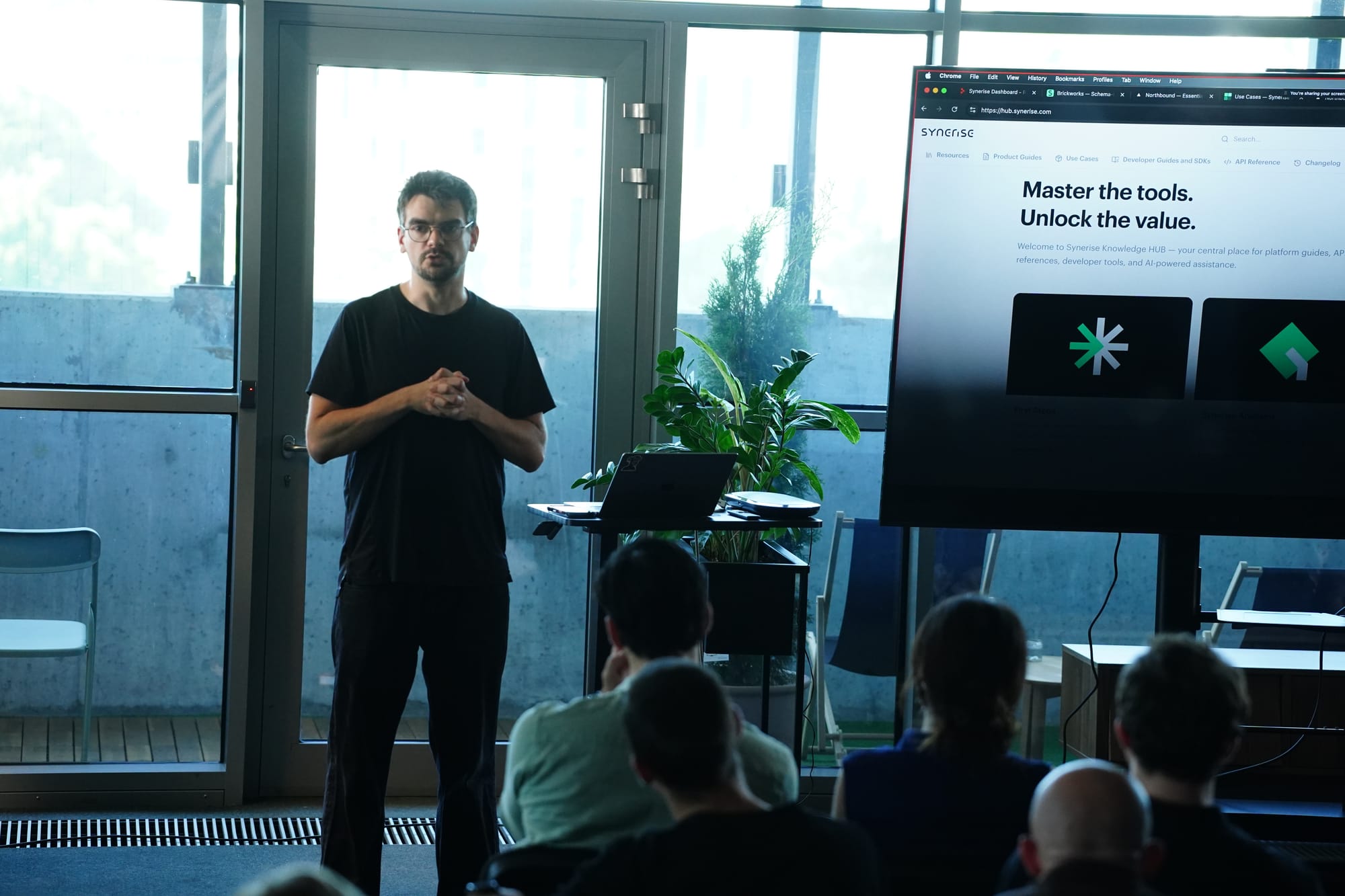
And we showed something quieter, but maybe more important: how the same infrastructure that powers our customers' agents is already changing how our own teams work. Research. Documentation. Listing. Search. In-app content. The dogfooding loop is the most honest demo we have.
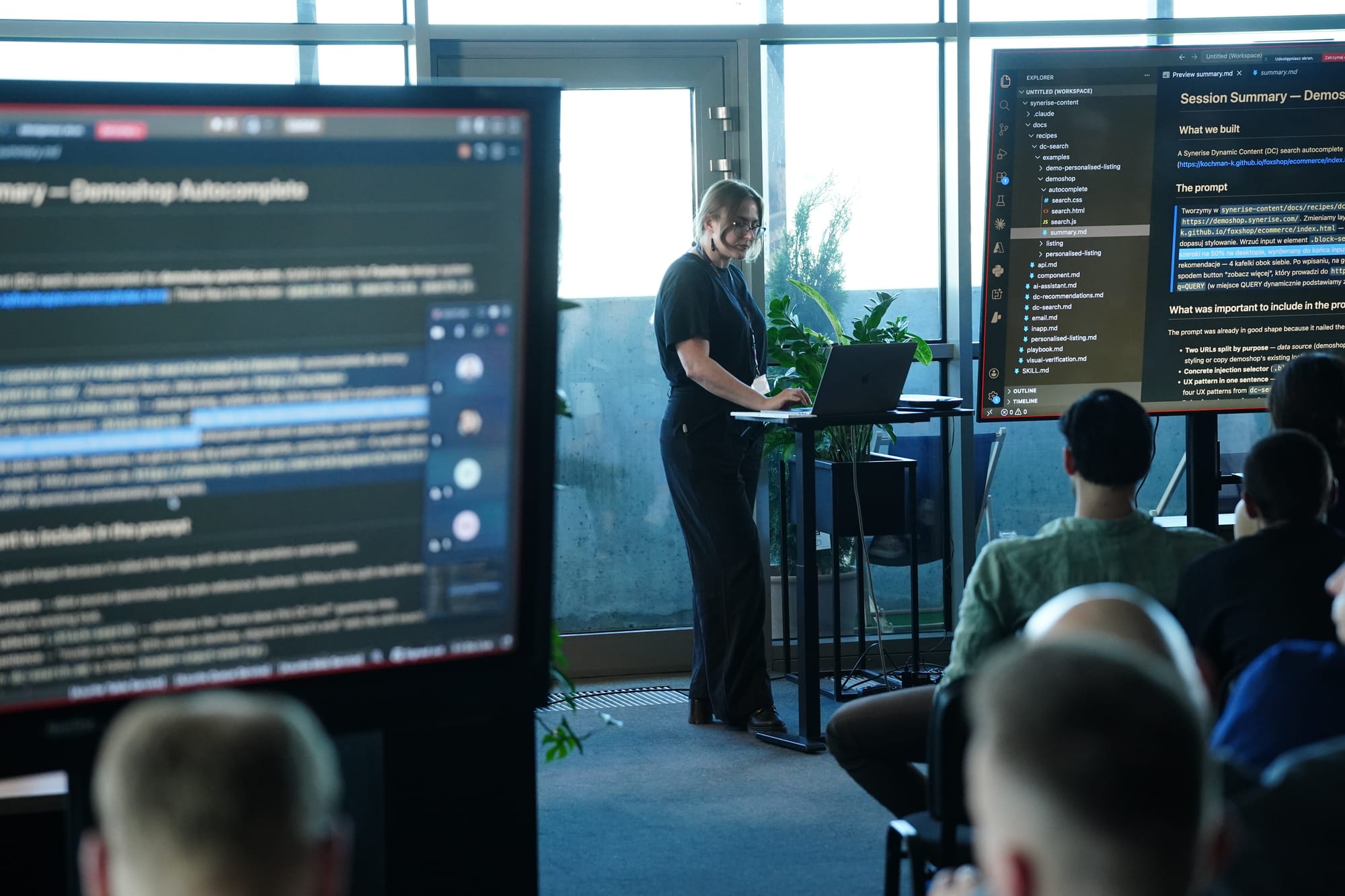
Between the slides
The most valuable part of both days happened between the slides. In the conversations that only happen face to face — about where rule-based personalization stops scaling, what schema-free behavioral data changes in day-to-day retail operations, and what the next generation of tooling has to do.
That's the conversation we came for.
The category isn't AI agents
The category isn't "AI agents." Agents are the consequence. The category is the infrastructure underneath them — first-party behavioral data, the context that surrounds every signal, and the ability to act on both in real time.
That's the frame partners walked away with. Not another tool to resell. An infrastructure to build on.
You can't replicate that by bolting an LLM on from the outside. Behavioral context lives in the infrastructure layer, not in the prompt.
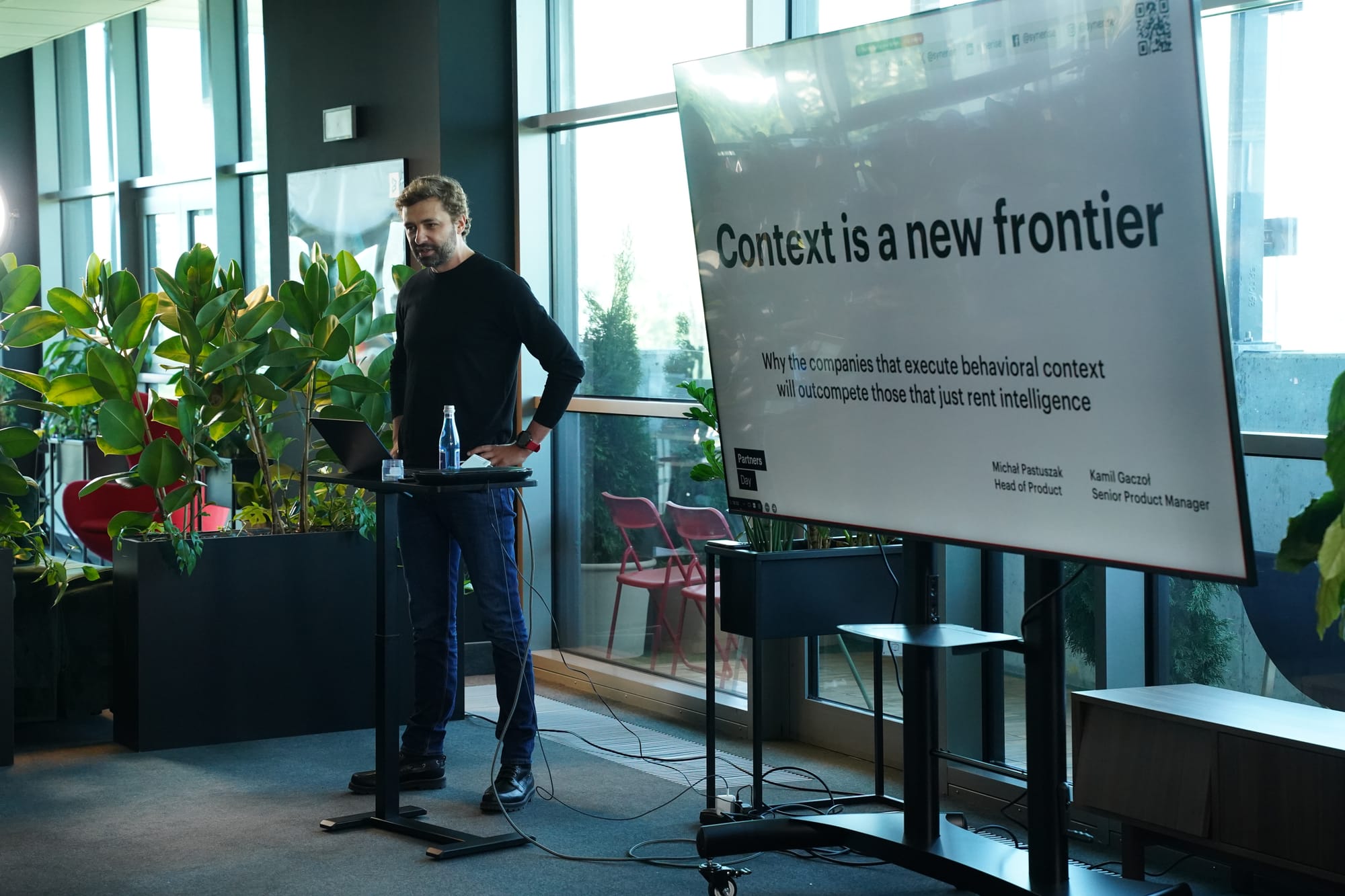
"Context is the new frontier." — Michał Pastuszak, Head of Product, Synerise
The room writes the roadmap
Partners walked away with them own use cases scoped for the customers. We walked away with a roadmap that's sharper because they were in it.
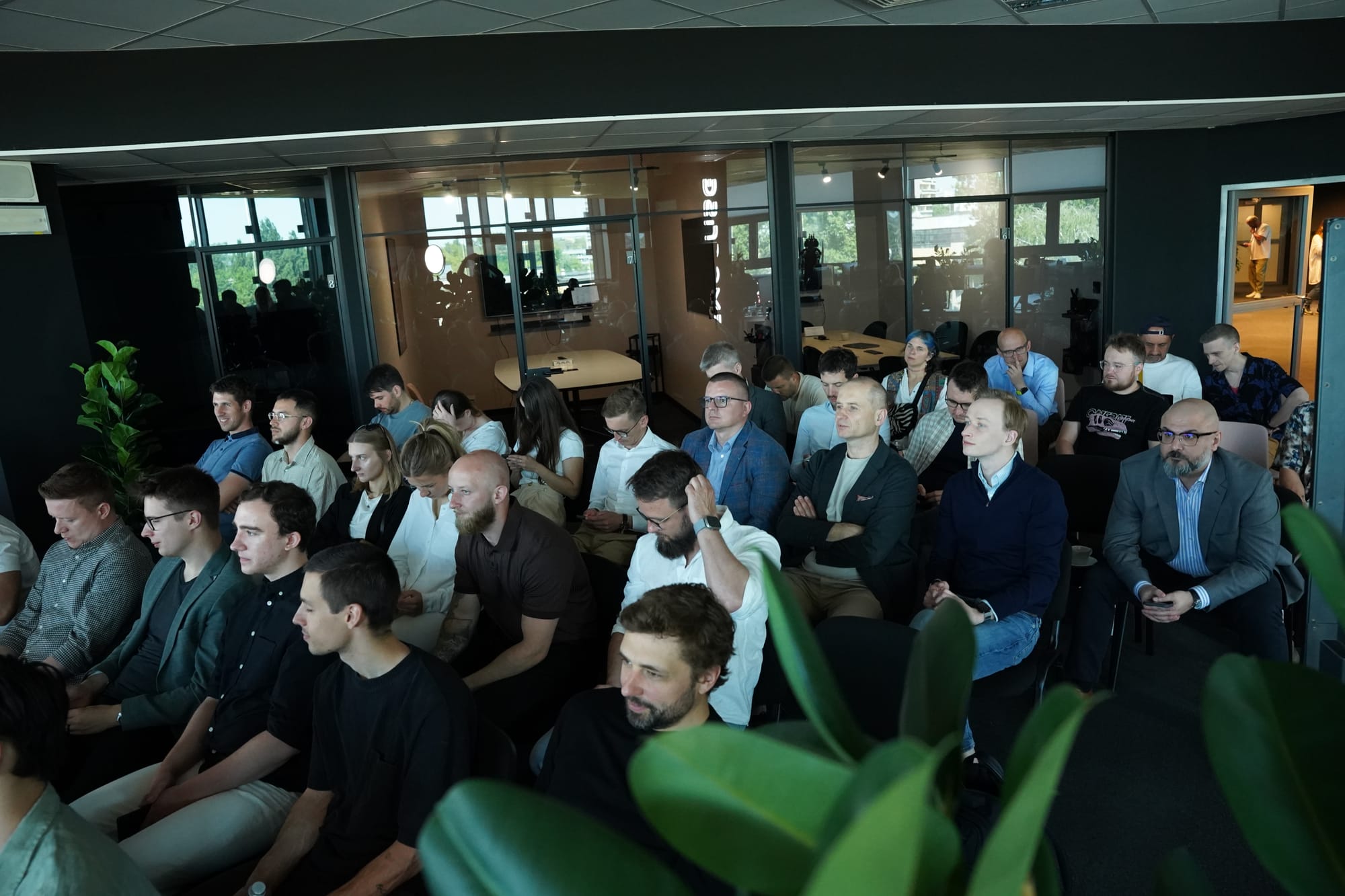
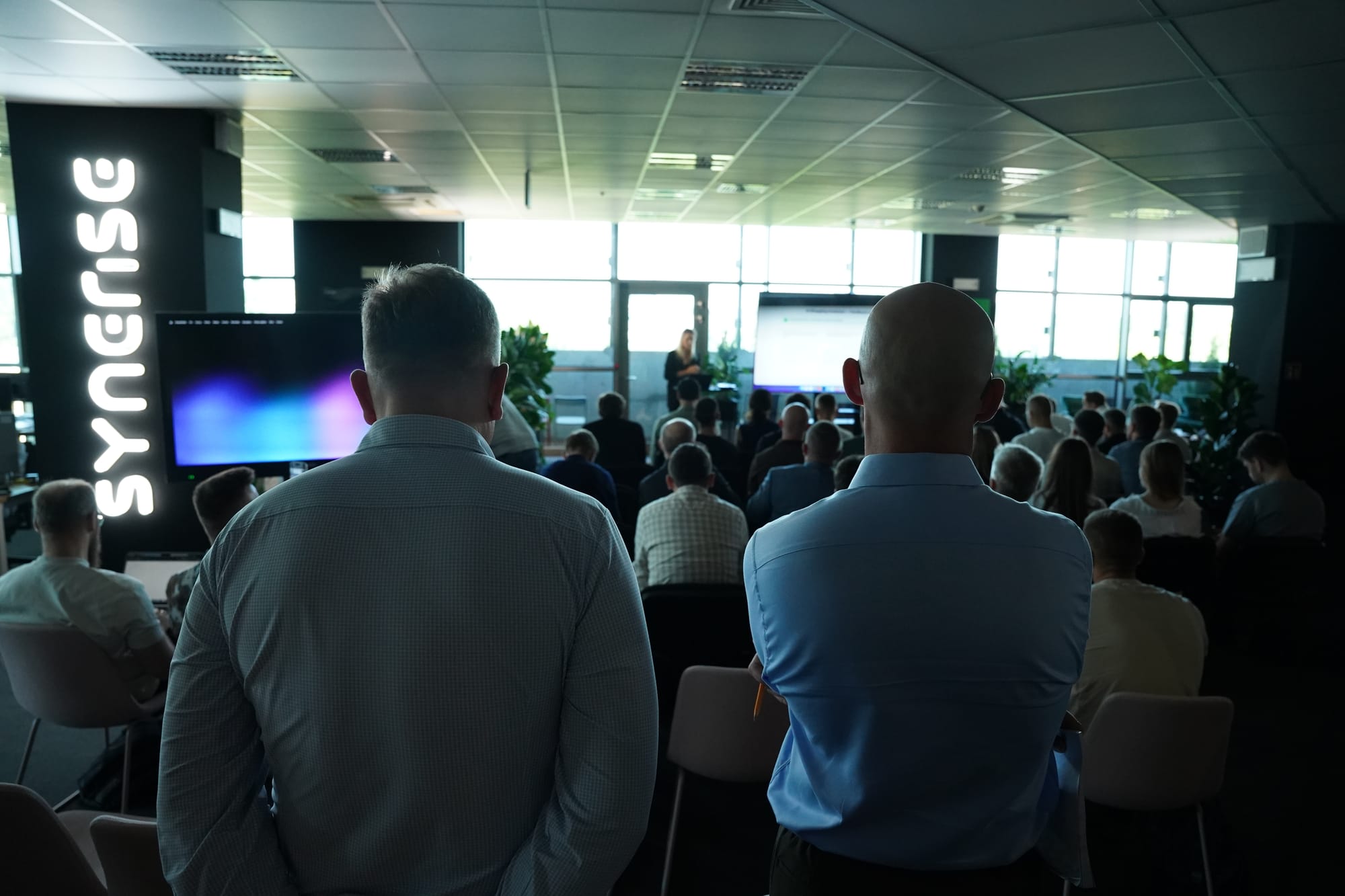

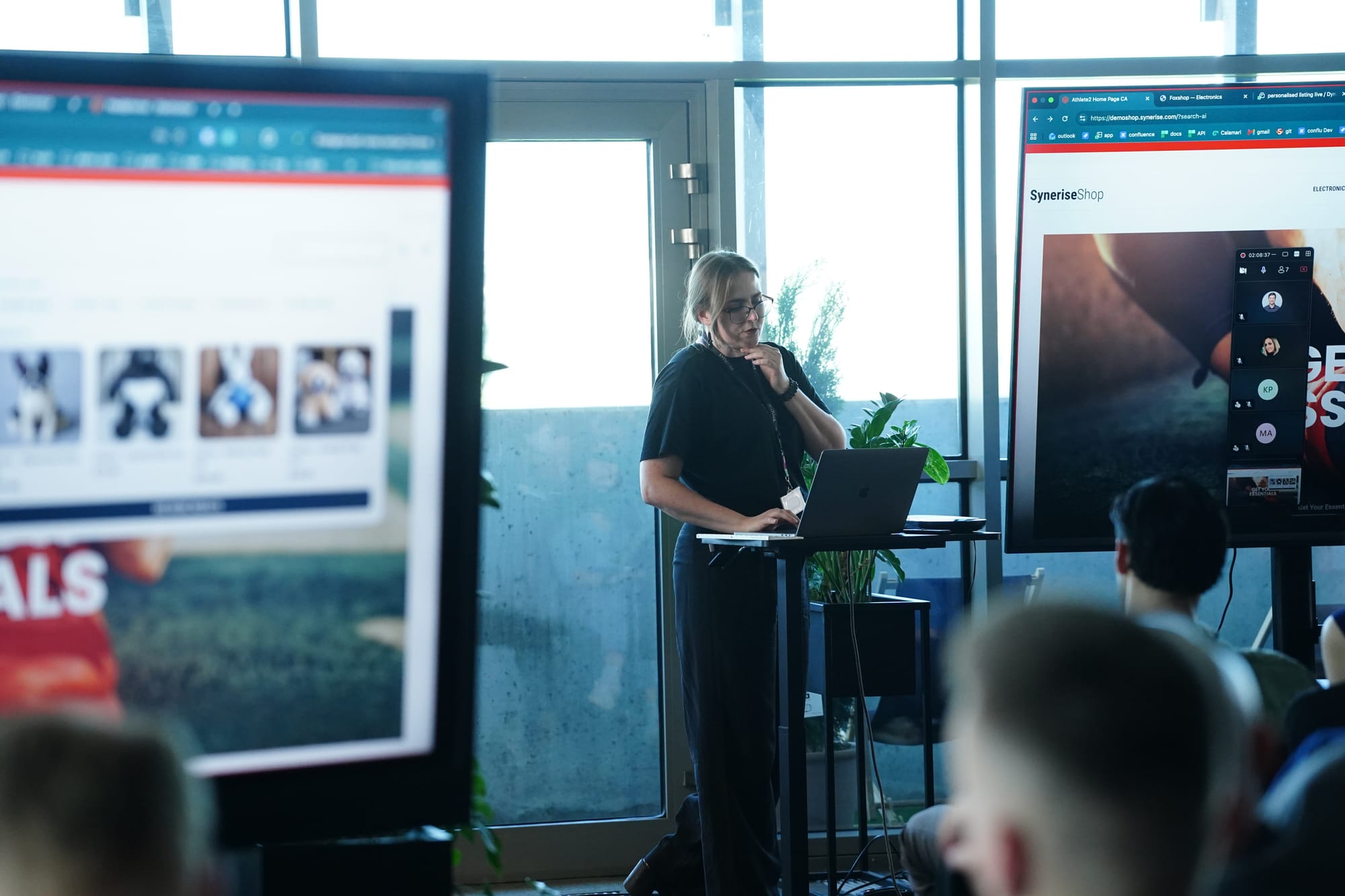
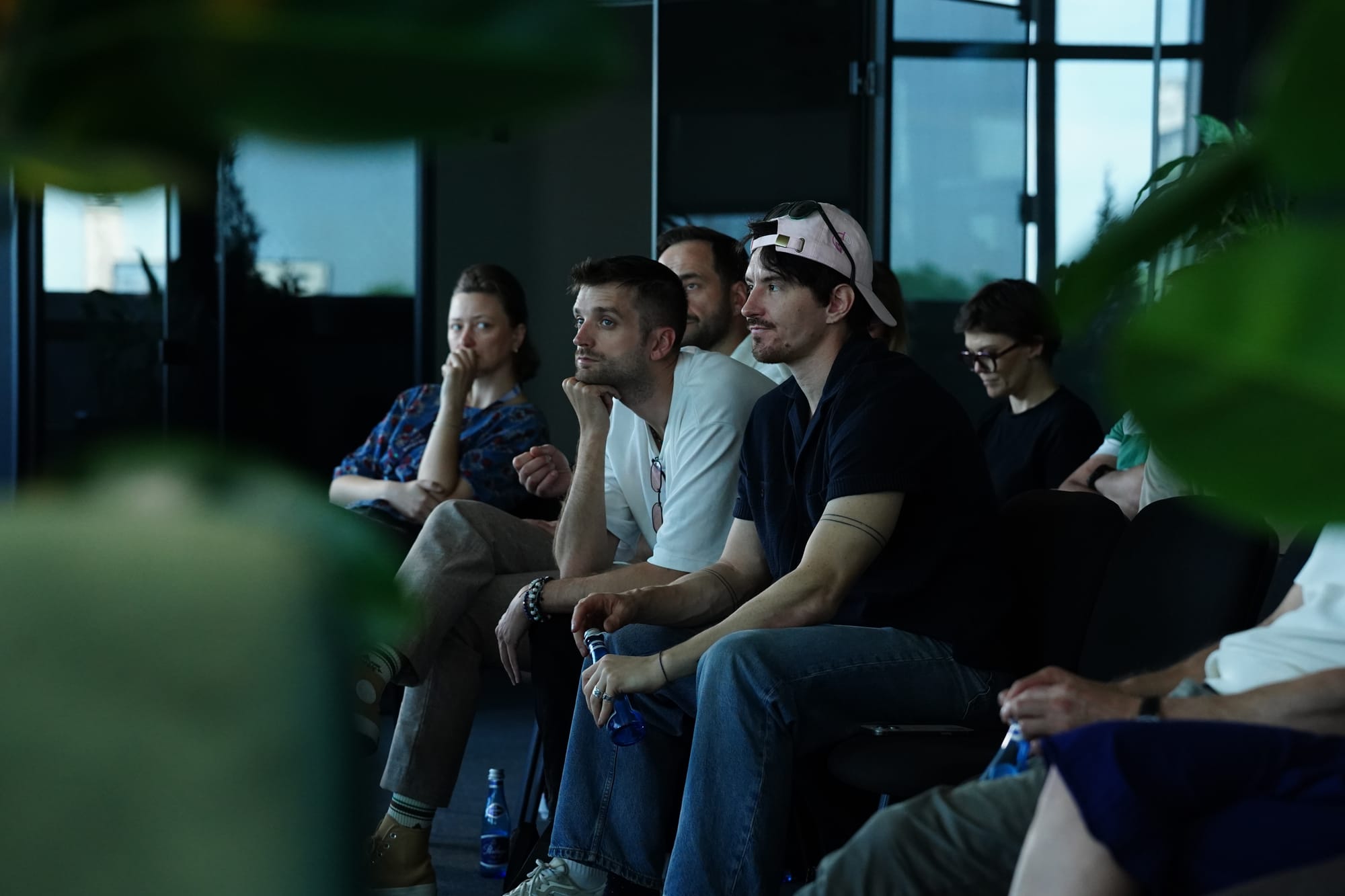

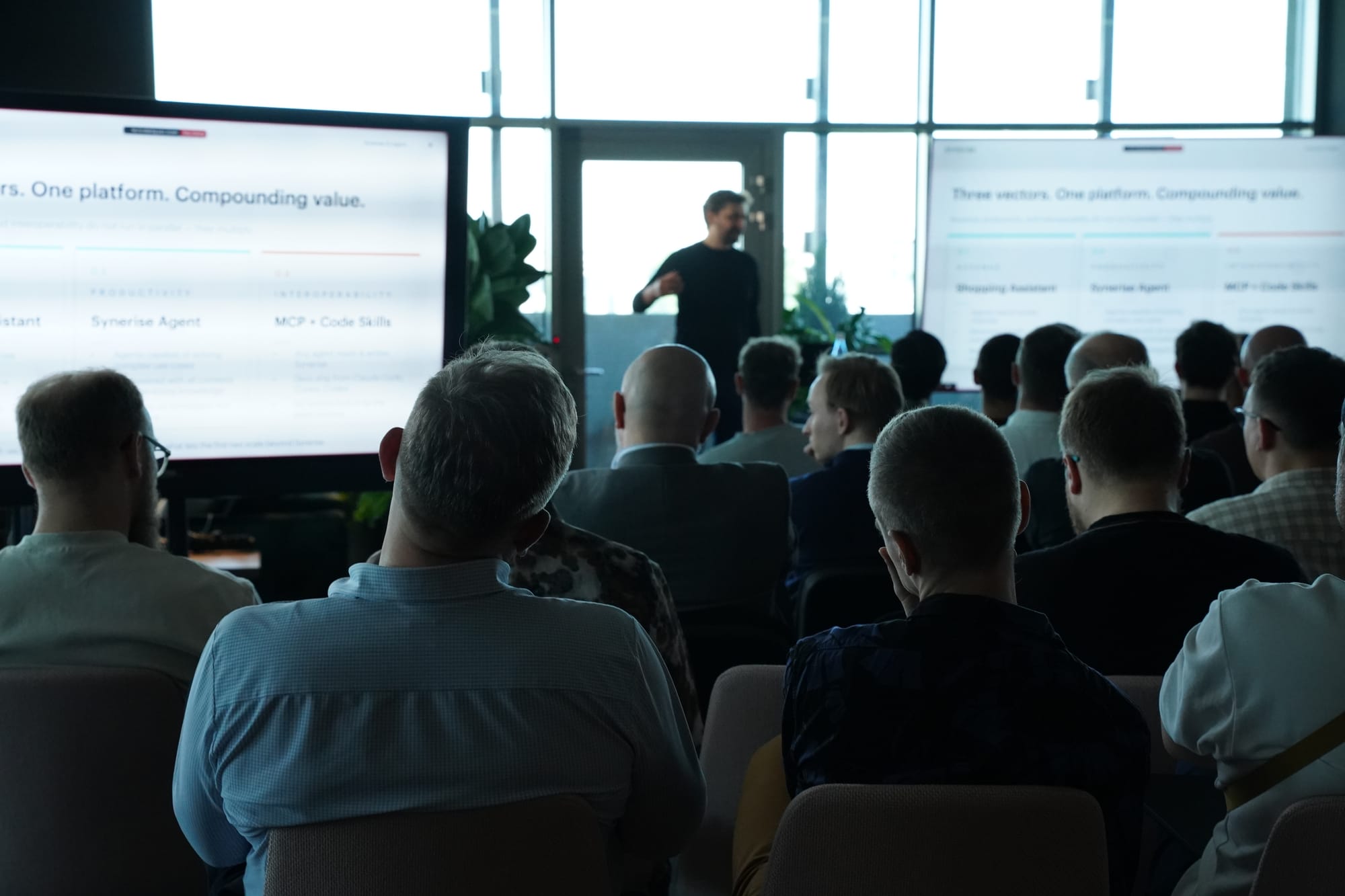
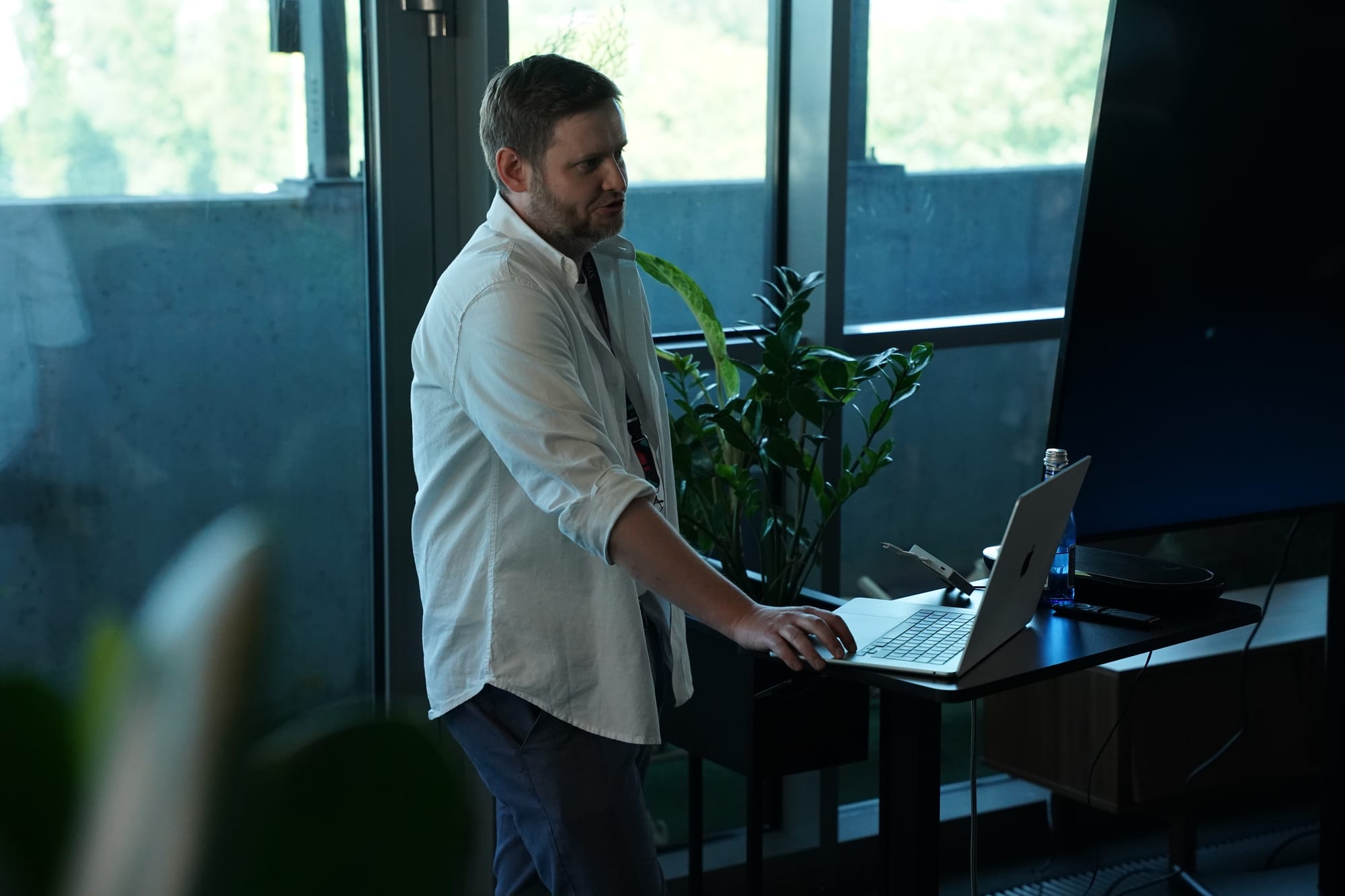
Thanks to everyone who came ready to push the agenda. Category leaders don't visit vendors — they visit infrastructure partners. The teams that push the agenda decide what gets built next.