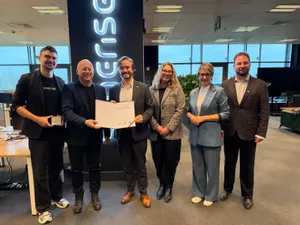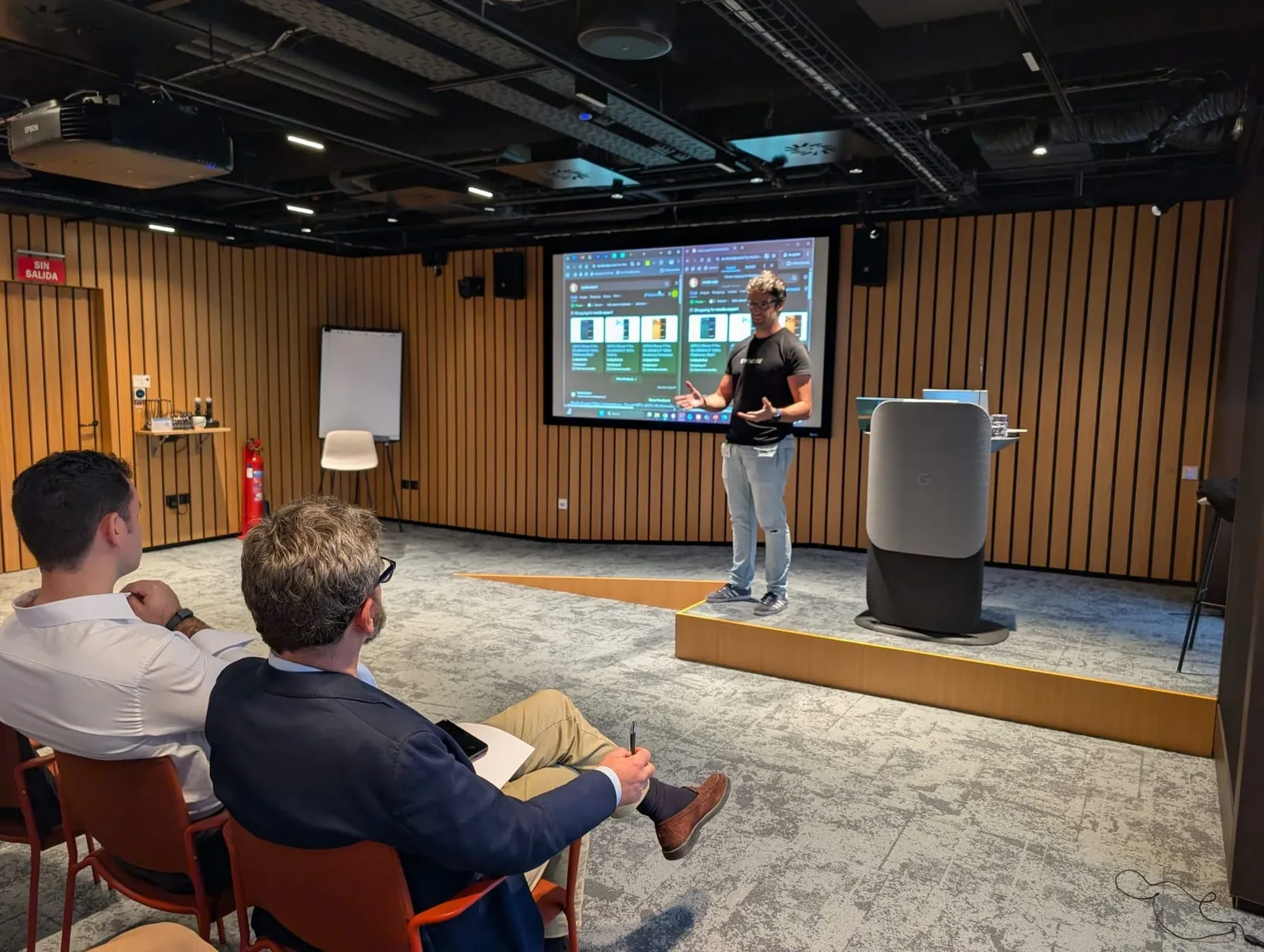
Synerise and strategic partner Multiplica brought more than 30 retail and e-commerce leaders together at Google’s offices in Madrid for an executive breakfast. The live demonstrations connected three capabilities through one behavioral AI foundation.
Personalization before login
The first demonstration showed personalization beginning before the customer signs in. The architectural point is that an experience can respond to behavioral context during the journey, rather than waiting for an authenticated interaction.
Customer Agent: context in the conversation
The Customer Agent demonstration focused on reading context in real time. The relevance of a response depends on understanding the customer’s situation as the conversation develops. Behavioral AI infrastructure supplies the foundation for that understanding.
System Agent: from information to action
The System Agent demonstration addressed the operational side: turning behavioral data into decisions and decisions into action. Together, the three demonstrations connected customer experience with the work of the teams operating it.
A content layer for context-driven experiences
Brickworks gives this approach a reusable content layer. Its schemas connect content with behavioral context and AI capabilities, so teams can define how an experience is assembled and personalized. This provides further product context for the capabilities demonstrated in Madrid.
See a practical Brickworks example.
MCP connects the agent with the work
MCP, the Model Context Protocol, connects compatible AI clients with Synerise tools and information. For teams preparing an experience, useful workspace context reduces the effort of finding configuration details and preparing instructions. System Agent then has a stronger basis for supporting the task.
For a customer-facing agent, behavioral context addresses relevance: recent interests and purchases change which recommendation or answer is useful. Workspace context supports the operator’s productivity; customer context supports the quality of the resulting experience.
From Brickworks content to Wallet Passes and in-app
The same architectural approach extends to delivery. Brickworks assembles contextual content, Wallet Passes carry personalized information into the customer’s wallet, and in-app communication presents it inside the app experience.
For example, a purchase can trigger an updated pass and relevant post-purchase content. That gives the shared behavioral engine a visible consequence across touchpoints.
The September demonstrations preceded the 21 October Public Preview of System Agent and MCP. They belong to the preview phase of these capabilities.
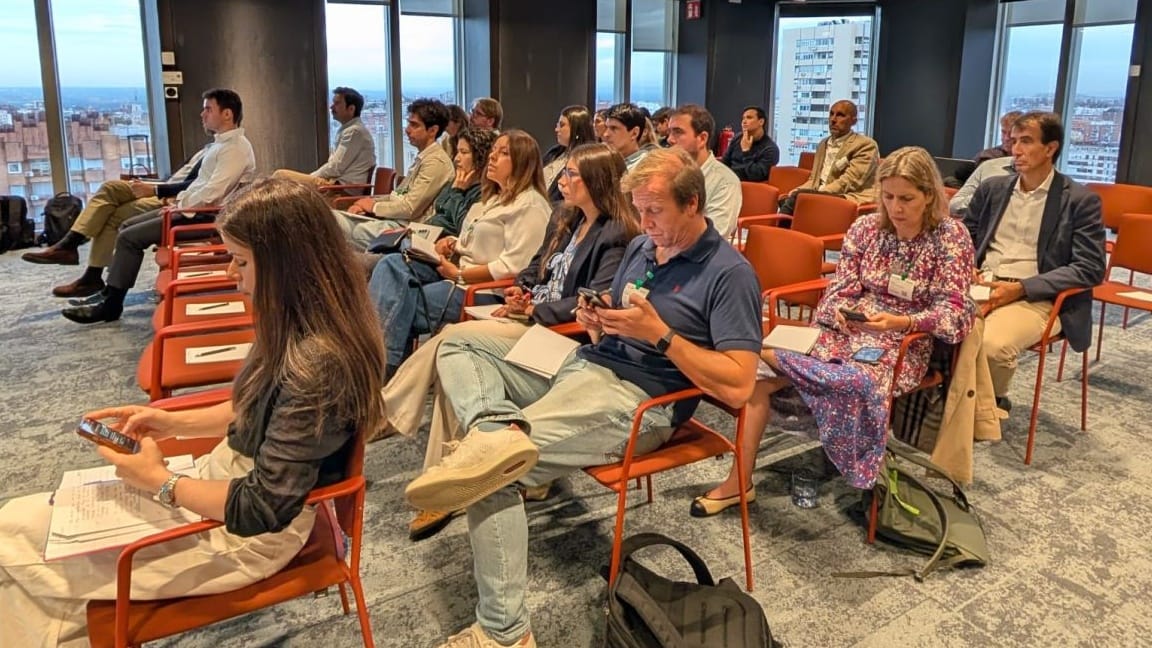
David Boronat opened the session with changing markets and customer expectations. Tomasz Smardzewski, Matias Patino and Isma Belza then demonstrated the connected capabilities.
Thank you to Multiplica, Justyna Jowik, the Google team and everyone who joined the discussion.