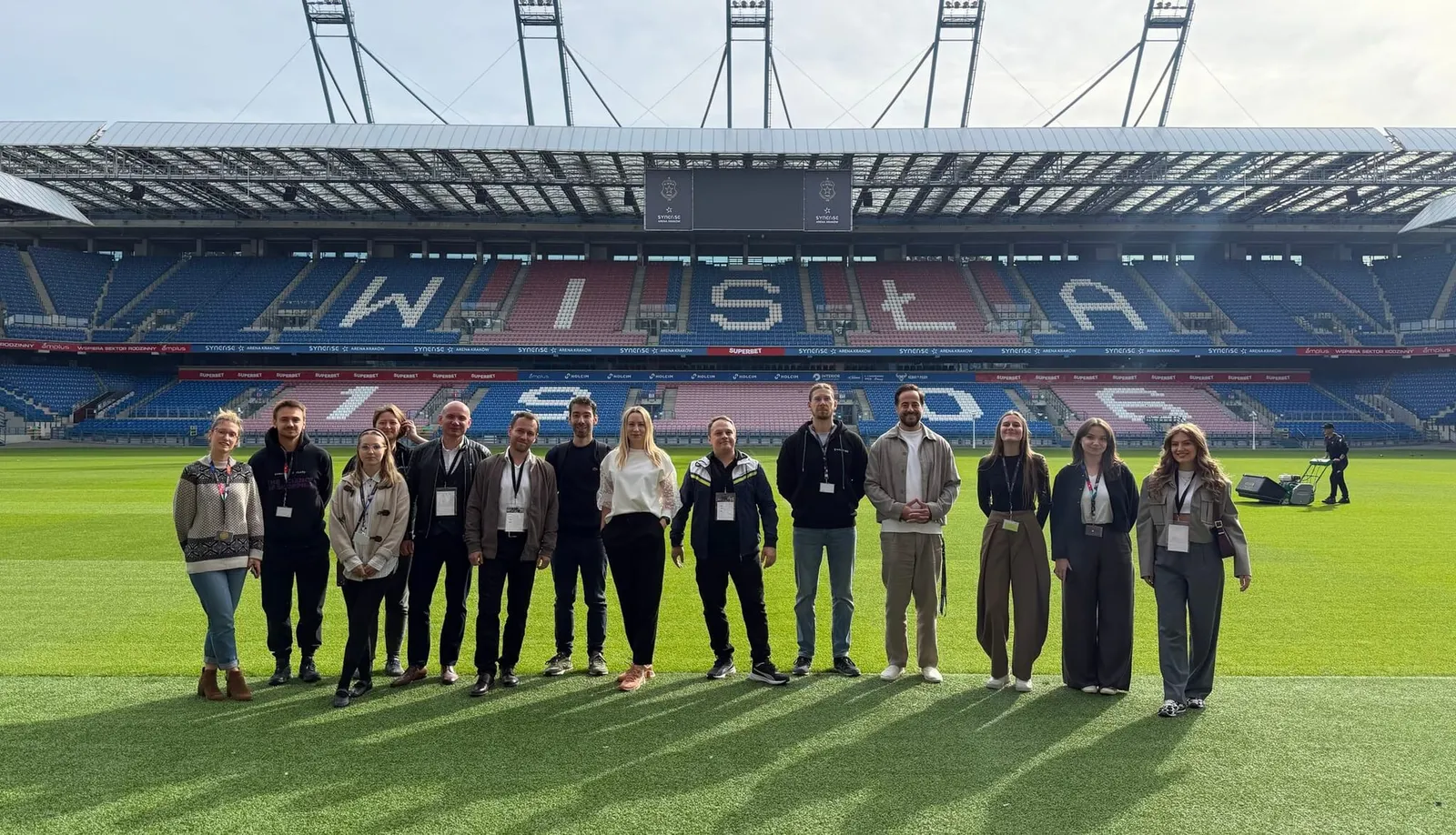
The October Synerise Client Meetup brought clients and the Synerise team together at Synerise Arena Kraków to explore how behavioral context improves agentic solutions and customer experiences. Demonstrations connected System Agent, MCP, Brickworks, Wallet Passes and in-app communication with the data and decisions behind them.
Behavioral context shapes the quality of an agent’s work
A product interaction reveals interest. A purchase changes what is relevant next. Loyalty activity adds another part of the relationship. For a customer-facing agent, these signals provide context for interpreting a request and choosing a useful response or next action.
Consider a customer asking what to buy after a recent purchase. Purchase context helps an agent identify complementary products and account for what the customer already owns. The quality of the experience depends on the behavioral understanding available when the interaction happens.
The meetup connected this customer perspective with the operational question: how do teams make the right context available to agents and use it consistently across experiences?
System Agent and MCP: context that supports productivity
System Agent demonstrations addressed the work of the teams operating Synerise. Understanding the workspace, its objects and their configuration helps an agent give answers that fit the task. It also reduces the effort users spend locating information and reconstructing context before they can act.
MCP, the Model Context Protocol, connects compatible AI clients with Synerise tools and information. This gives teams a way to bring platform work into an AI-assisted workflow, within the access and permissions available to them.
The productivity benefit comes from connecting a request with useful context and the tools needed to carry it forward. For example, reviewing a content schema starts with understanding its fields and connected objects. Making that information available to the agent reduces manual context gathering and helps the team assess its next step.
Brickworks connects decisions with personalized content
Brickworks brought the content layer into the demonstrations. Synerise’s behavioral CMS uses reusable schemas to connect content with customer context and AI capabilities. A content definition can then serve more than one channel.
The Personalized Receipt illustrates the approach: transaction details, loyalty information and recommendations assembled into customer-specific content. It gives teams a concrete reference for turning a new behavioral signal into a relevant experience.
Explore the Brickworks Personalized Receipt example.
Wallet Passes and in-app: carrying context to the customer
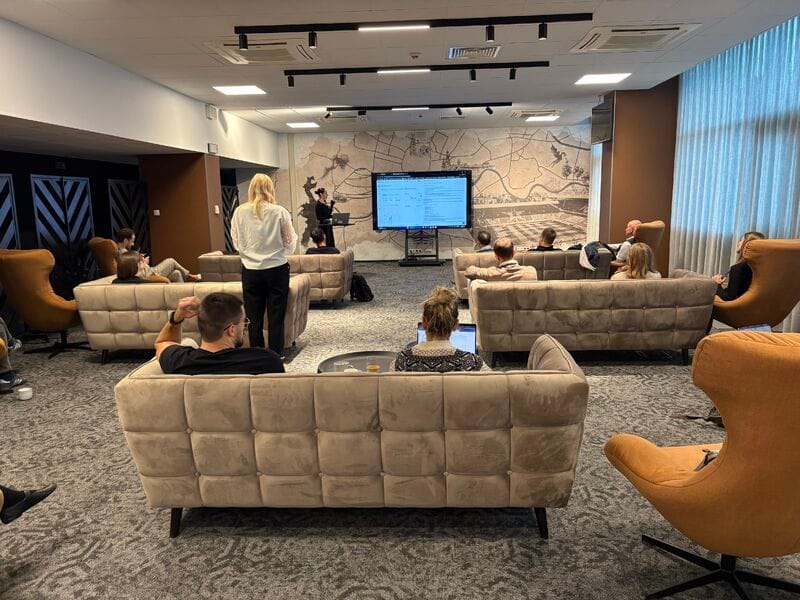
Wallet Passes and in-app communication showed how these decisions reach customer touchpoints. A pass in Apple Wallet or Google Wallet can carry personalized loyalty information or an offer. An in-app message brings relevant content into the customer’s app experience.
An illustrative post-purchase journey connects the pieces: a transaction adds behavioral context, an automation triggers a pass update with current loyalty information, and an in-app experience presents relevant post-purchase content. The experience stays connected because each step uses the customer’s updated situation.
Together, these capabilities connect two forms of value: agents help teams work with better context, while customer experiences reflect that context across channels. The meetup gave clients and Synerise space to discuss how to build and operate that connection in practice.
Thank you to everyone who shared their experience and questions. We look forward to continuing the conversation at Synerise Arena Kraków.